1
What colour were Ruby's gumboots?
B. The story says 'one red gumboot by the door' and 'one red gumboot like a pillow.'Go back and find it
Three short stories to read, with a few friendly questions after each one. Take all the time you like — there is no clock here, and a hint is always just one tap away.
Every question below trains one of these. After you answer, you’ll see which trick it was — and at the end you get a little score for each one.
The answer is hiding in the words you just read. Don't guess from memory — go back, put your finger on the sentence, and read it again.
Stories and instructions go in order, like footsteps. If a question asks what came first or next, walk back through the text step by step.
Sometimes the text doesn't say 'because' — you have to be a detective. Find the clue sentence and ask: what made this happen?
When you meet a new word, read the sentences around it. The other words are clues that whisper what it means.
Read each story once, all the way through, before its questions. If you are not sure — go back and look again. That is the best trick there is.
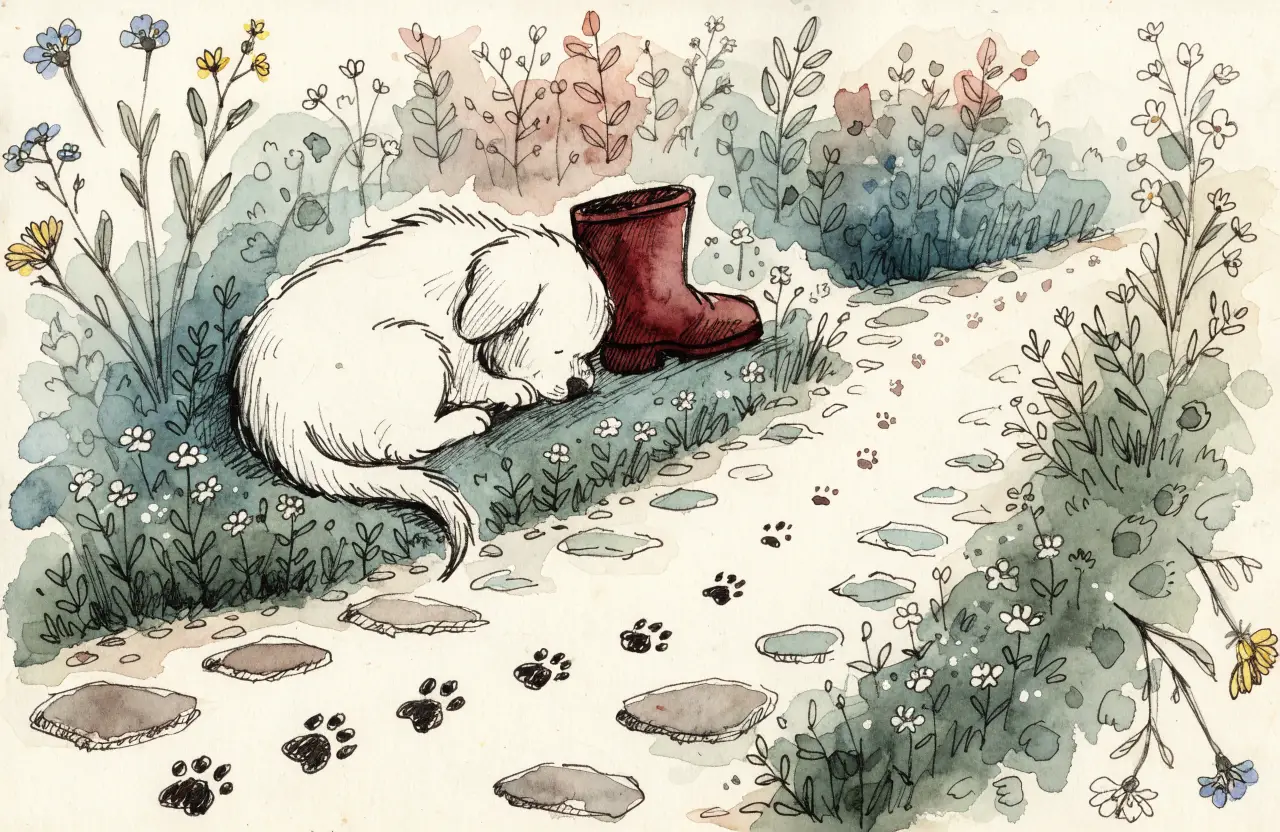
On Saturday morning, Ruby wanted to jump in puddles. She found one red gumboot by the door — but the other one was gone!
Ruby looked under her bed. She looked in the toy box. No gumboot.
Then she saw muddy paw prints on the floor. The little prints went out the door and down the path. Ruby followed them all the way to the garden.
There was her puppy, Biscuit, fast asleep in the flower bed — with his head resting on one red gumboot like a pillow.
'Biscuit!' Ruby laughed. 'That is not your bed!'
What colour were Ruby's gumboots?
B. The story says 'one red gumboot by the door' and 'one red gumboot like a pillow.'Go back and find it
Where did Ruby look FIRST for the gumboot?
C. The story goes in order: under her bed, then the toy box, then she followed the prints to the garden.What happened first?
How did Ruby know which way to go to find her gumboot?
C. Ruby saw muddy paw prints going out the door, and she followed them all the way to the garden.Why did it happen?
Biscuit used the gumboot 'like a pillow'. What was he doing with it?
D. A pillow is for resting your head — and the story says Biscuit had 'his head resting on' the gumboot.What does that word mean?
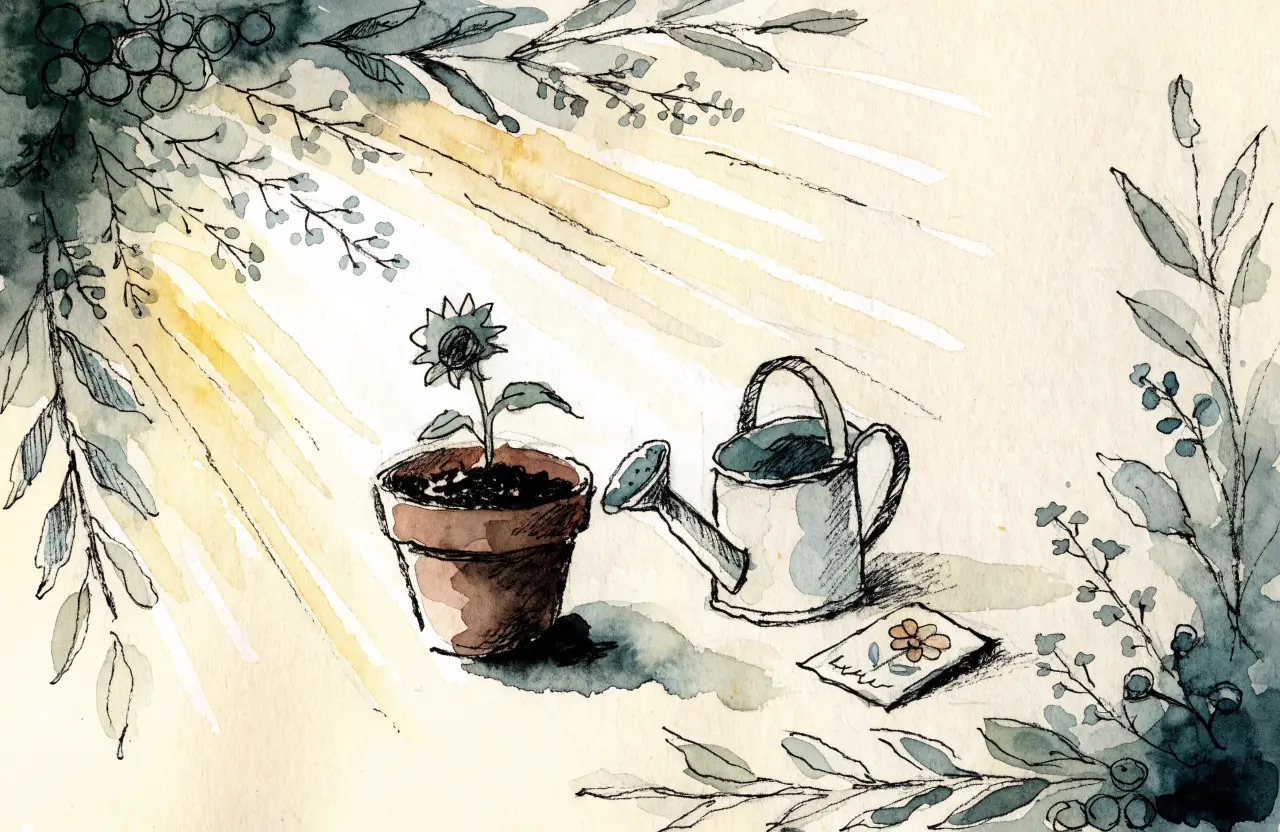
You need: a pot, some soil, a sunflower seed, and water.
First, fill the pot with soil.
Next, push the seed in, about as deep as your fingernail. Cover it gently.
Then, water the soil until it is damp — not swimming!
Last of all, put the pot in a sunny spot. Sunflowers love the sun. That is how they got their name.
Water it a little every day. In about one week, a tiny green shoot will say hello.
How deep should you push the seed into the soil?
B. The text says: 'push the seed in, about as deep as your fingernail.'Go back and find it
What do you do right AFTER you cover the seed?
A. The order is: fill the pot, plant the seed, THEN water the soil, and last of all find a sunny spot.What happened first?
Why are sunflowers called SUNflowers?
A. The text says: 'Sunflowers love the sun. That is how they got their name.'Why did it happen?
The text says to water the soil until it is 'damp — not swimming!' What does 'damp' mean?
D. Damp means a little bit wet. The joke 'not swimming!' warns you not to give it TOO much water.What does that word mean?
The kiwi is a bird from New Zealand — but it is not like most birds.
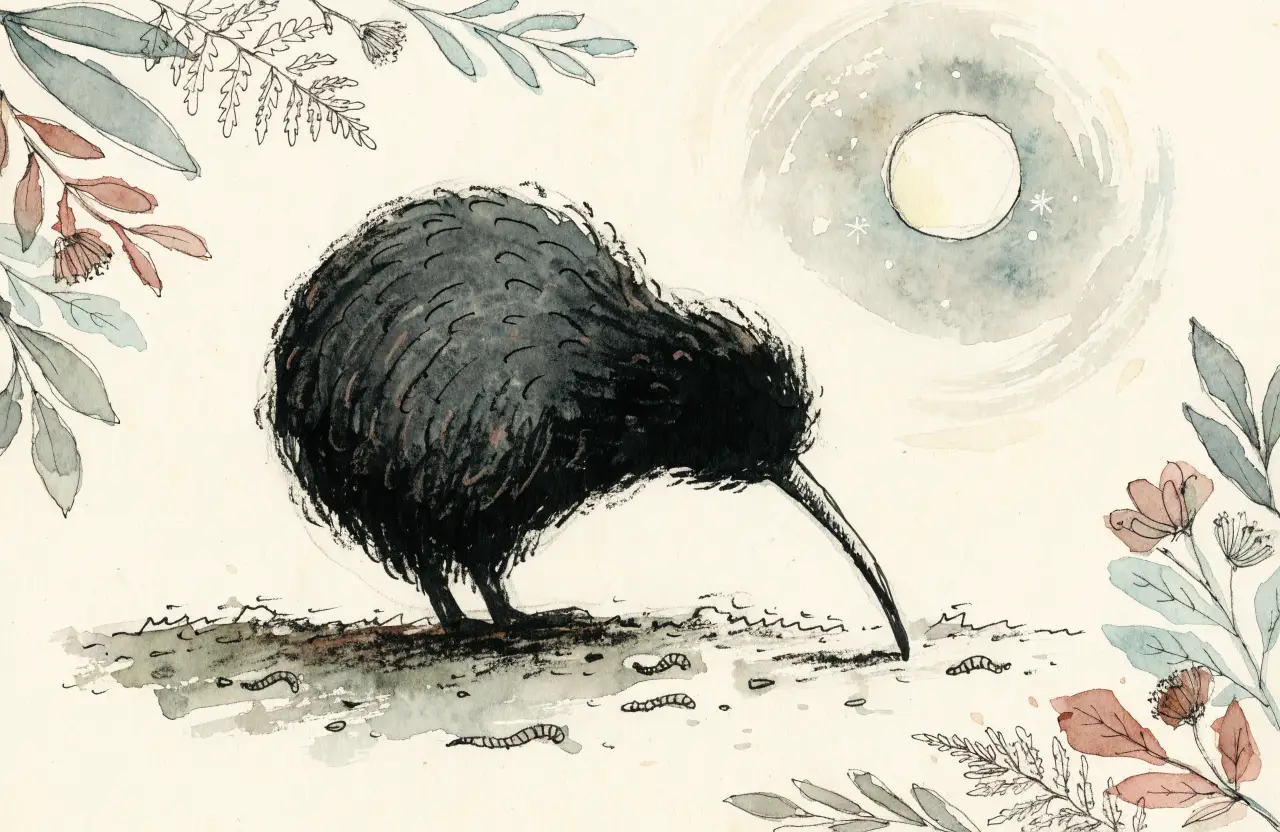
A kiwi cannot fly. Its wings are tiny, and its feathers look more like shaggy hair.
Kiwi sleep almost all day. They wake up at night to hunt for worms. A kiwi's nostrils are at the very tip of its long beak, so it can sniff out worms hiding under the ground.
New Zealanders love this funny, fluffy bird so much that they named themselves after it. That is why people from New Zealand are called Kiwis too!
Where are a kiwi's nostrils?
C. The text says a kiwi's nostrils are 'at the very tip of its long beak' — perfect for sniffing worms under the ground.Go back and find it
When do kiwi wake up to hunt for worms?
D. Kiwi sleep almost all day and 'wake up at night to hunt for worms' — the opposite of us!What happened first?
Why are people from New Zealand called 'Kiwis'?
A. New Zealanders love the kiwi bird so much that they named themselves after it.Why did it happen?
The kiwi's feathers look like 'shaggy' hair. What does 'shaggy' mean here?
B. Shaggy means long, messy and fluffy — like a sheepdog's coat, or hair that needs a brush. The text calls the kiwi 'fluffy' too.What does that word mean?
Have a go at every question first, then peek at the answers below if you want to check your work.
Not sure about a question, or want a story read again? Press the button and say the question number out loud — your reading helper knows all three stories and every hint.
Say a question number, or ask me to read a story. Or try: “teach me question 3” — the helper will pretend to be wrong. Convince them! Uses the microphone. Nothing is recorded.