Three tricky texts — a joke advertisement, a two-sided diary and a persuasive letter. Sixteen questions, and most of them ask the question readers forget: why did the writer write it this way, and whose words am I being asked about?
Read this part first.
None of these three texts is just telling you what happened. One is trying to sell you
something. One has two people remembering the same day completely differently. One is trying
to change your mind. Before you answer, stop and ask: whose words am I looking at right
now, and what do they want from me? That question answers more of these sixteen than any
fact in the text does. The clock starts with your first answer, about one minute a question
— same pace as a real paper. The results will show you both halves, separately.
The four moves
Every question below trains one of these. After you answer, the badge names the move — and at the end you get a score for each, plus your first half against your second.
Habit 1
Why was it written?
Before the questions, ask: is this text trying to TEACH me, SELL me, or make me SMILE? A text can wear a costume — an ad that is really a joke, a diary that is really a complaint. Look at what the writer DOES, not what the text looks like.
Habit 2
Hear the tone
Read one sentence aloud in your head. Is the writer serious, joking, cross, excited? Exaggeration ('the greatest sock in history') is almost always a joke, not a fact.
Habit 3
Who does the writer think YOU are?
Writers guess what their readers already think. If the text says 'I know what you're thinking…' or answers a complaint you never made, that tells you what the writer assumes about you.
Habit 4
Follow the pointer
'According to Granny…', 'In MARCO's opinion…' — the question points at ONE person's words. Report what THAT person said, even if someone else in the text is more correct.
Three texts
Read each text once, all the way through, before its questions. Notice who is speaking and what they want — that answers more questions than any single fact in the text does.
0 of 16 answered0 right⏱ 0:00 · pace 16:00
An advertisement (or is it?)
SUPER SOCKS 3000
Are you tired of ordinary socks? Socks that just… sit there, keeping your feet warm in a completely normal way?
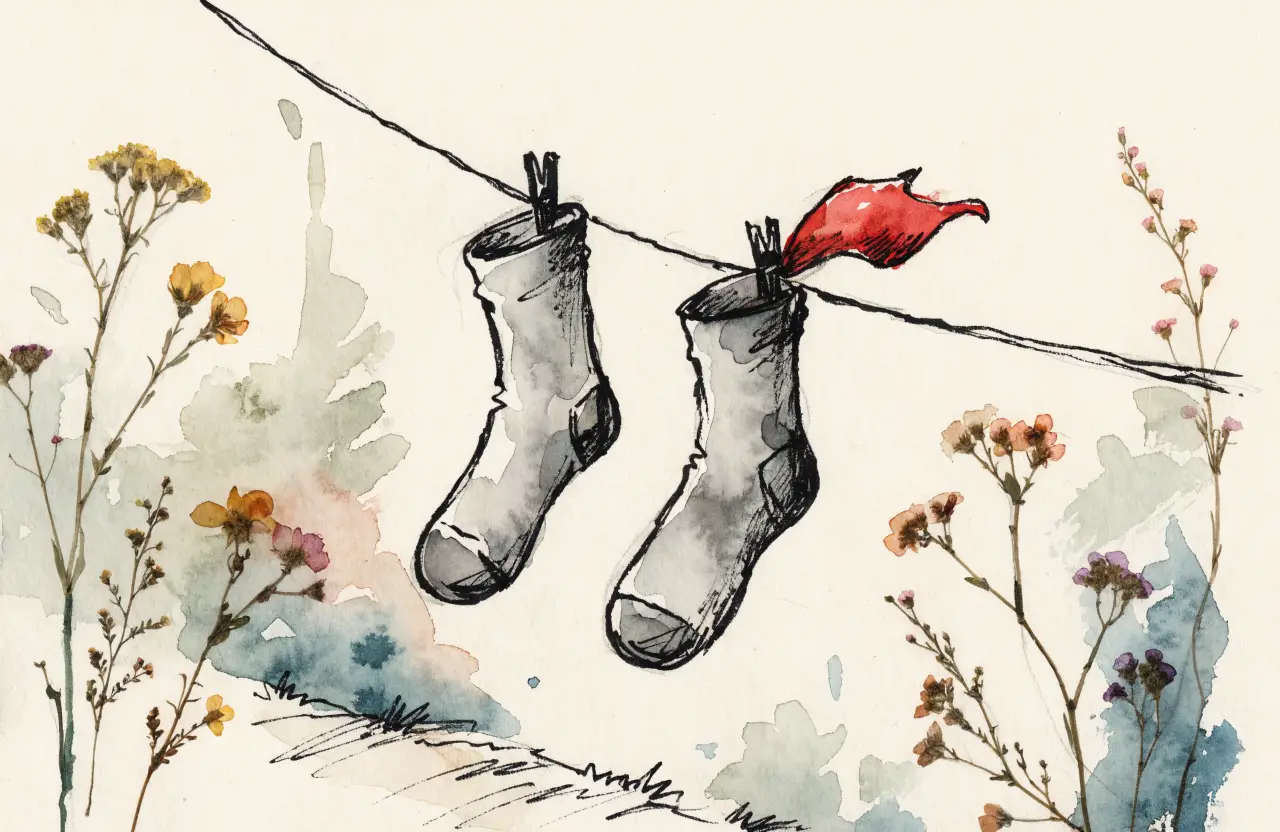
Introducing the SUPER SOCKS 3000 — the greatest invention in the entire history of feet! These incredible socks come in three exciting colours (grey, dark grey, and slightly darker grey) and are made from 100% genuine sock material.
Wear them to school and feel up to 4% more confident during maths! Wear them to bed and dream up to two extra dreams per night! Scientists* agree that SUPER SOCKS 3000 are socks. (*Our scientist is Kevin, aged 9, who owns a microscope.)
WARNING: SUPER SOCKS 3000 do not give you super powers, super speed, or super anything. They are socks.
Buy now! Or later! Or knit your own — honestly, they're just socks.
1
This text is dressed up as an advertisement. Its REAL main purpose is to
A. A real ad would never say 'honestly, they're just socks' or 'knit your own'. Every claim is a joke ('4% more confident', scientist Kevin, aged 9). The ad costume is the joke — the purpose is to entertain.Why was it written?
2
'The greatest invention in the entire history of feet!' The writer uses this exaggeration to
A. The socks are grey and ordinary, and the writer keeps admitting it. Giant praise for a tiny thing is a classic way of being funny — the gap between the words and the thing is the joke.Hear the tone
3
'Are you tired of ordinary socks?' From the whole text, what does the writer really assume about readers?
D. The writer expects readers to recognise the over-the-top ad voice and find it funny. Nobody who was truly unhappy with their socks would be helped by this text — it never seriously sells anything.Who does the writer think YOU are?
4
'Scientists* agree that SUPER SOCKS 3000 are socks. (*Our scientist is Kevin, aged 9, who owns a microscope.)' The little star and note are there to
C. Real ads use footnotes to look scientific. This one copies that trick and then ruins it on purpose — the 'scientist' is a kid with a microscope, and 'scientists agree the socks are socks' proves nothing. The footnote is the punchline.Hear the tone
5
The colours are listed as 'grey, dark grey, and slightly darker grey'. The writer lists them this way to
B. 'Three exciting colours' sets up excitement, and the list delivers three nearly identical greys. The promise falls flat on purpose — that collapse is the joke.Why was it written?
A diary with two sides
The Great Tomato Disaster
Dear Diary,
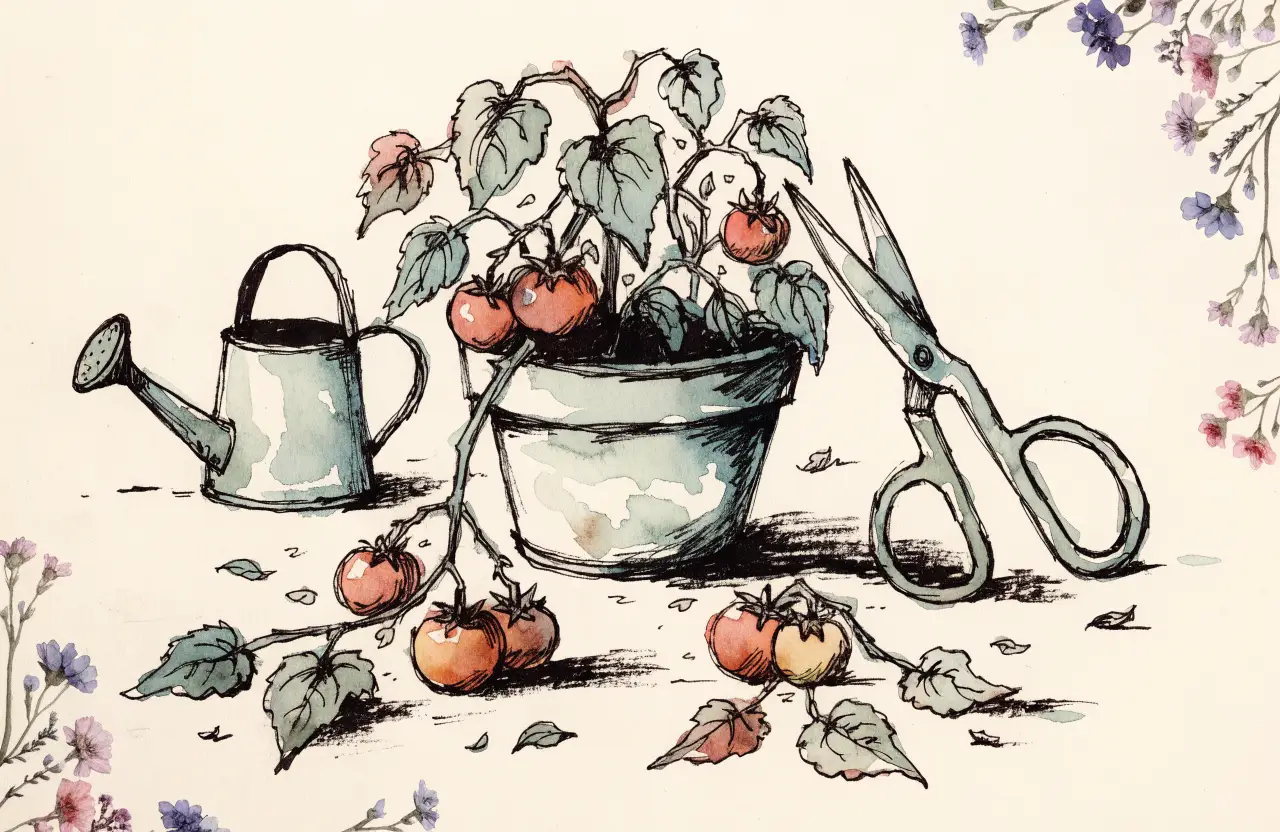
Grandad came to stay AGAIN. Mum says he comes because he and Nana argue about the garden, but Grandad tells it differently. According to Grandad, Nana's tomatoes attacked him. 'I was pruning them gently,' he told me, 'barely touching them, and suddenly — SNAP — three branches fell off by themselves. Tomatoes are very dramatic plants, Thomas.'
I rang Nana to say goodnight. According to Nana, Grandad went at the tomato plants with the big scissors 'like a pirate boarding a ship', and the plants will need a month to recover.
Mum just shakes her head at both of them. 'The truth,' she says, 'is probably somewhere in the middle, and anyway, the tomatoes will be fine.'
I don't mind whose story is true. When Grandad stays, I get his famous midnight toast, and nobody prunes anything after dark.
6
According to GRANDAD, why did the tomato branches come off?
D. Grandad's version is that he was barely touching the plants and the branches fell off by themselves. The pirate version is NANA's story — a different pointer.Follow the pointer
7
Nana says Grandad went at the plants 'like a pirate boarding a ship'. This comparison shows that Nana thinks Grandad was
B. Pirates attack ships — fast, rough, no care. Nana picks that picture to complain that Grandad was violent with the plants, the opposite of his 'barely touching them' story.Hear the tone
8
According to NANA, how long will the plants need to recover?
D. Nana says the plants will need a month to recover. 'The tomatoes will be fine' is Mum's view — a different speaker.Follow the pointer
9
'I don't mind whose story is true.' The writer of the diary feels this way because
A. The next line gives the reason: midnight toast, and time with Grandad. The argument is just the doorway; what Thomas loves is the visit itself.Why was it written?
10
Which sentence best describes how MUM sees the argument?
C. Mum says the truth is 'probably somewhere in the middle' and 'the tomatoes will be fine' — she takes neither side and treats the whole thing lightly.Who does the writer think YOU are?
A letter to the editor
In Defence of Broccoli
Dear Editor,
I am writing because your newspaper called broccoli 'the vegetable children fear most'. I know most readers will already be nodding along. You are probably imagining that sad, grey, boiled-to-death broccoli from the school canteen. I understand. I have eaten that broccoli too, and I am still recovering.
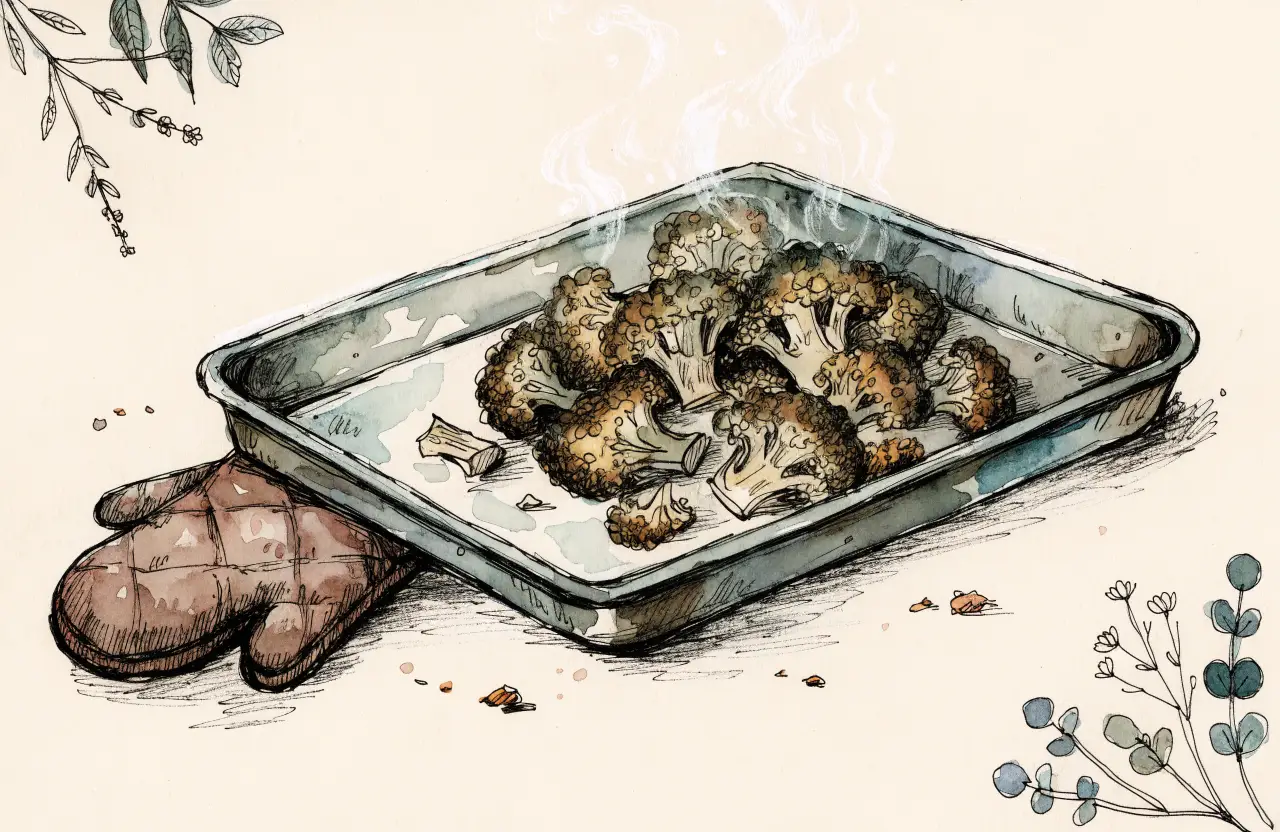
But hear me out: broccoli is not the villain — the SAUCEPAN is. Roast broccoli in a hot oven with a little oil and it turns crispy, golden at the edges, and almost — I will say it — as good as hot chips. Almost.
I am not asking readers to love broccoli overnight. I am asking for one fair trial: one tray, one hot oven, twelve minutes. If you still hate it, go back to fearing it, and I will never write again.
Yours crunchily, A. Sprout, aged 10¾
11
The writer's main goal in this letter is to get readers to
D. The request is spelled out: 'one fair trial: one tray, one hot oven, twelve minutes.' The writer even says they are NOT asking readers to love it overnight.Why was it written?
12
'I know most readers will already be nodding along.' What does the writer assume about the readers?
B. Readers are imagined nodding at 'the vegetable children fear most' — so the writer assumes they dislike broccoli, and builds the whole letter to change that one belief.Who does the writer think YOU are?
13
'I have eaten that broccoli too, and I am still recovering.' The tone of this sentence is
A. Nobody needs to 'recover' from a vegetable — the exaggeration is a joke, and it does a job: it tells readers 'I'm on your side, I've suffered the bad broccoli too', which makes the persuasion friendlier.Hear the tone
14
According to the WRITER, who or what is the real 'villain' in the broccoli story?
C. 'Broccoli is not the villain — the SAUCEPAN is.' Boiling ruins it; roasting saves it. The writer's whole argument hangs on moving the blame from the vegetable to the cooking method.Follow the pointer
15
The letter is signed 'Yours crunchily, A. Sprout, aged 10¾'. This ending shows that the writer
B. Swapping 'sincerely' for 'crunchily' (and the wink of 'aged 10¾') is deliberate play. The writer argues seriously about giving broccoli a chance, but keeps the voice light to the last word.Hear the tone
16
The writer promises: 'If you still hate it… I will never write again.' Why end the letter with this promise?
C. The deal is: try once, and if you still hate it you win AND the letters stop. It costs the reader almost nothing to say yes — which is exactly how clever persuasion closes.Why was it written?