How to use this.
One family at a time — six words, no more. Tap 🔊 on each and say it back.
Then try Cover the meanings and see if you can say them without looking.
When a family feels easy, play the games.
Meet the words
Six families of six words. Words are easier to remember when they arrive with their friends.
🏃
Moving and sounding
Words for how something moves and the sound that comes with it — a lope is not a gallop, and a rustle is not an echo.
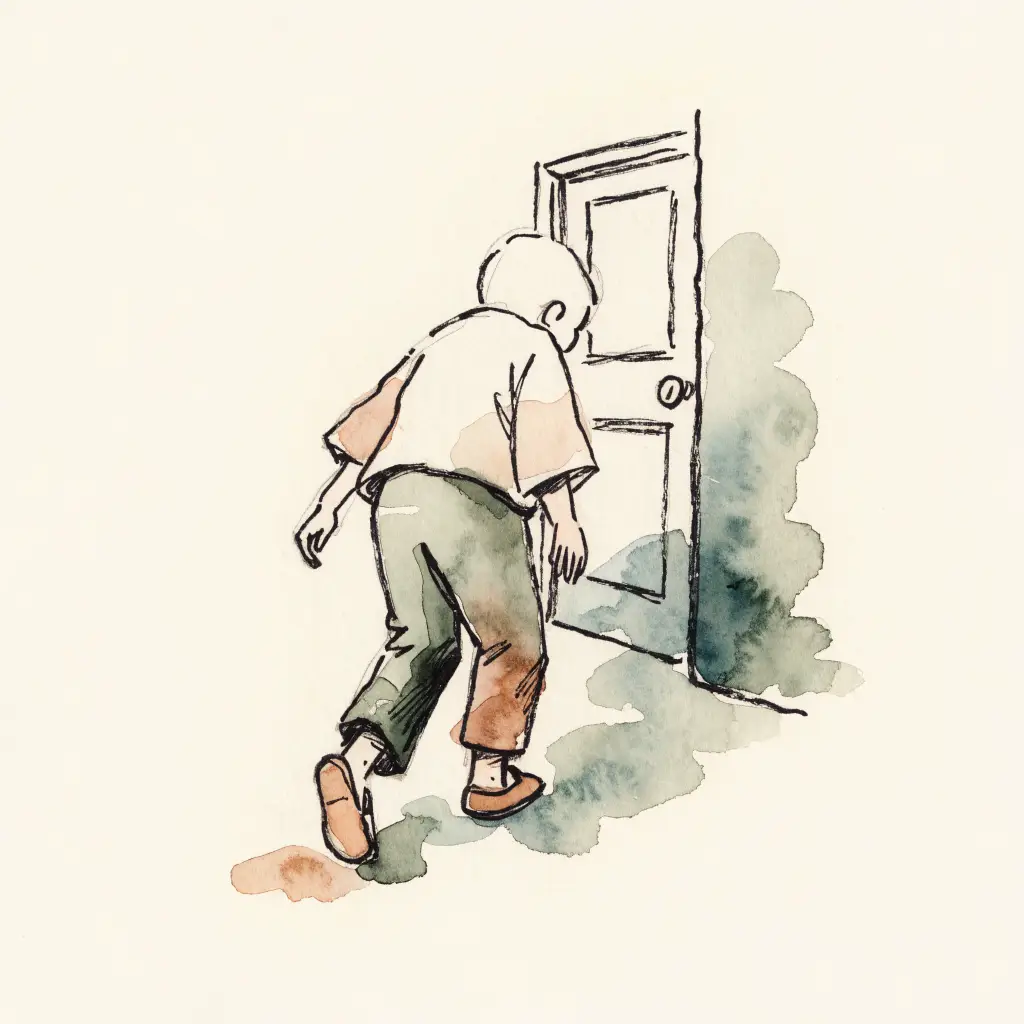
tiptoeTIP-toe
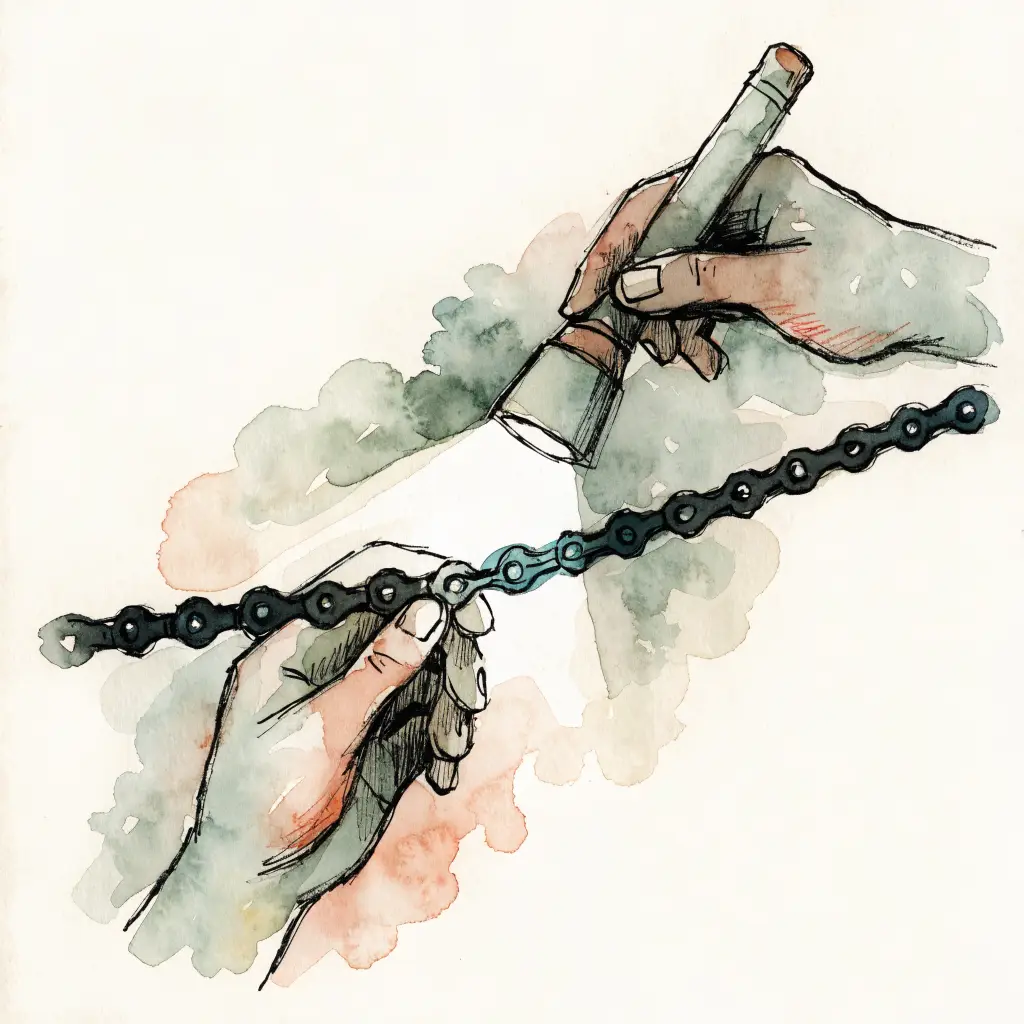
walk on your toes, silently and carefullyShe tiptoed past her sleeping brother's door.You tiptoe when floorboards might creak.Read what the helper says
Tiptoe means walking on the very tips of your toes so nobody hears you. Spies tiptoe. So do kids sneaking to the biscuit tin.
Your turn — read it out loud!
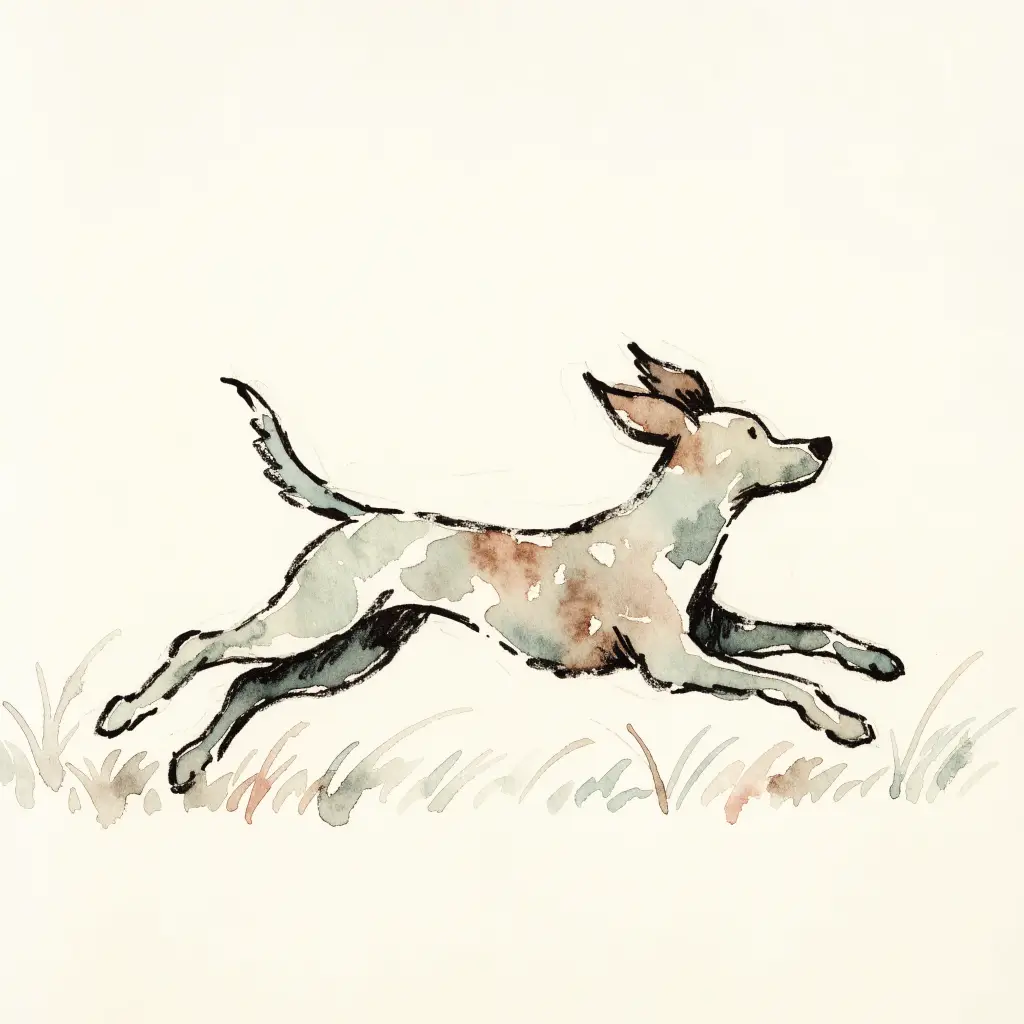
lopeLOPE — long o
run with long, easy, bouncy stridesThe dog loped across the field to meet us.Wolves lope for hours without tiring.Read what the helper says
Loping is a relaxed, bouncy way of running with long steps. Big dogs lope when they're happy — it looks effortless.
Your turn — read it out loud!
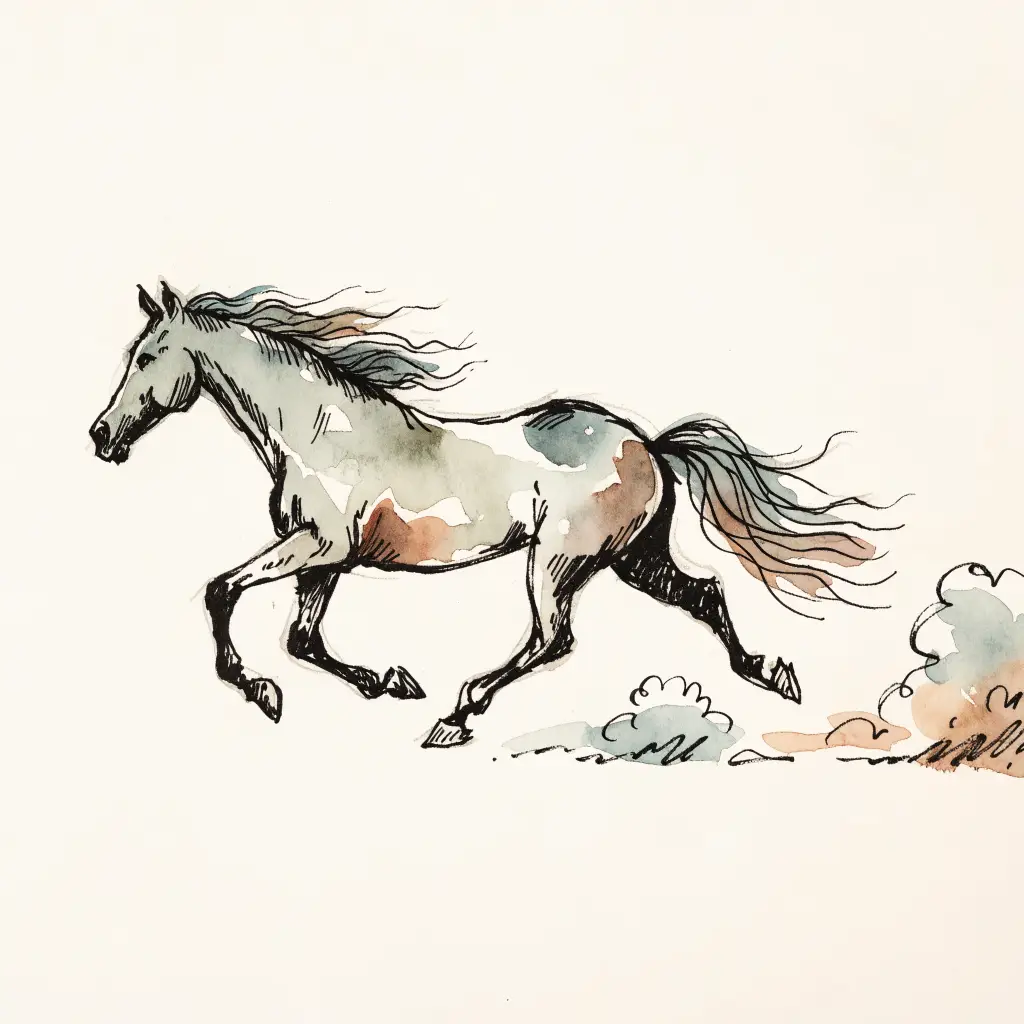
gallopGAL-up
run at full speed, the fastest an animal goesThe horses galloped down to the river.A gallop is faster than a trot or canter.Read what the helper says
Gallop is the fastest run a horse has — all four feet leave the ground. When you sprint flat out, you're galloping too.
Your turn — read it out loud!
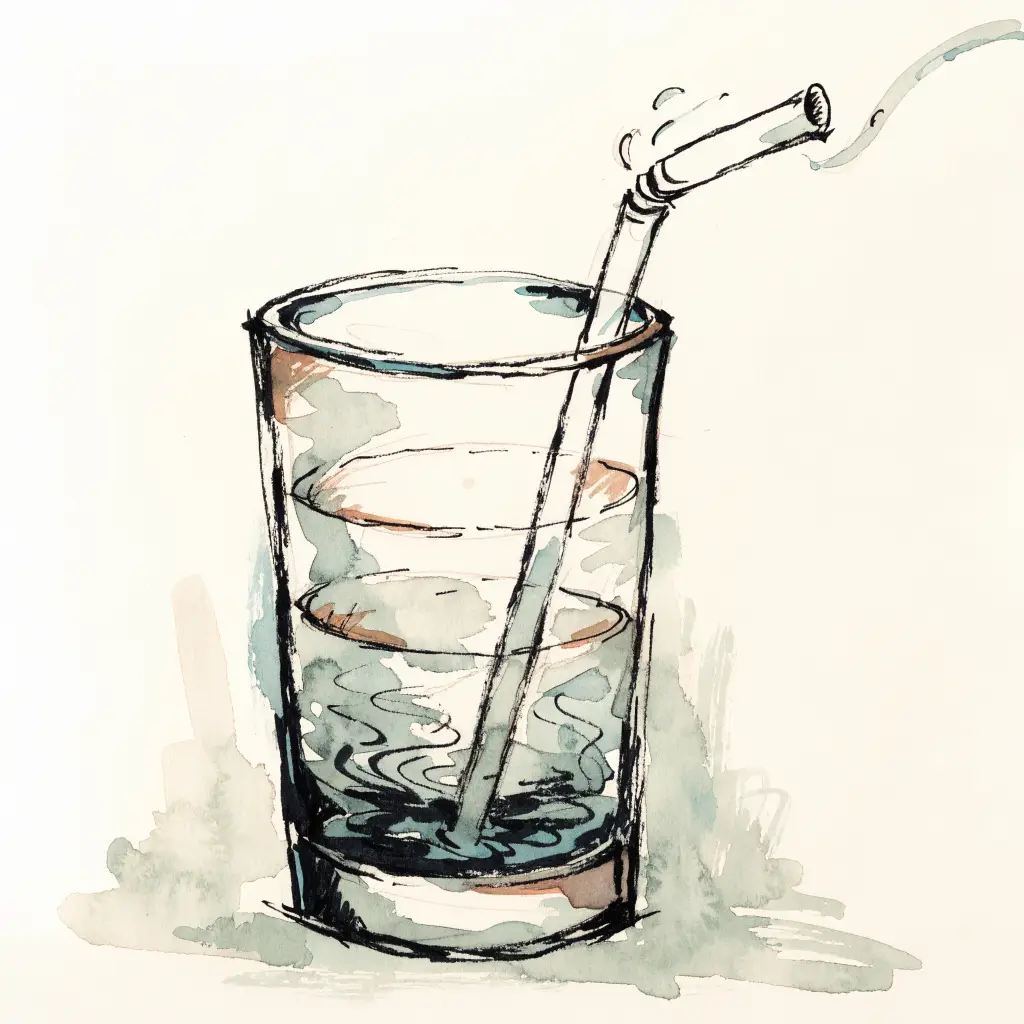
gulpGULP
swallow something fast, in big mouthfulsHe gulped his milk and ran for the bus.A nervous gulp is swallowing nothing at all.Read what the helper says
Gulp means swallowing something down fast and big. You gulp water after running. You also gulp when you're nervous — that dry little swallow.
Your turn — read it out loud!
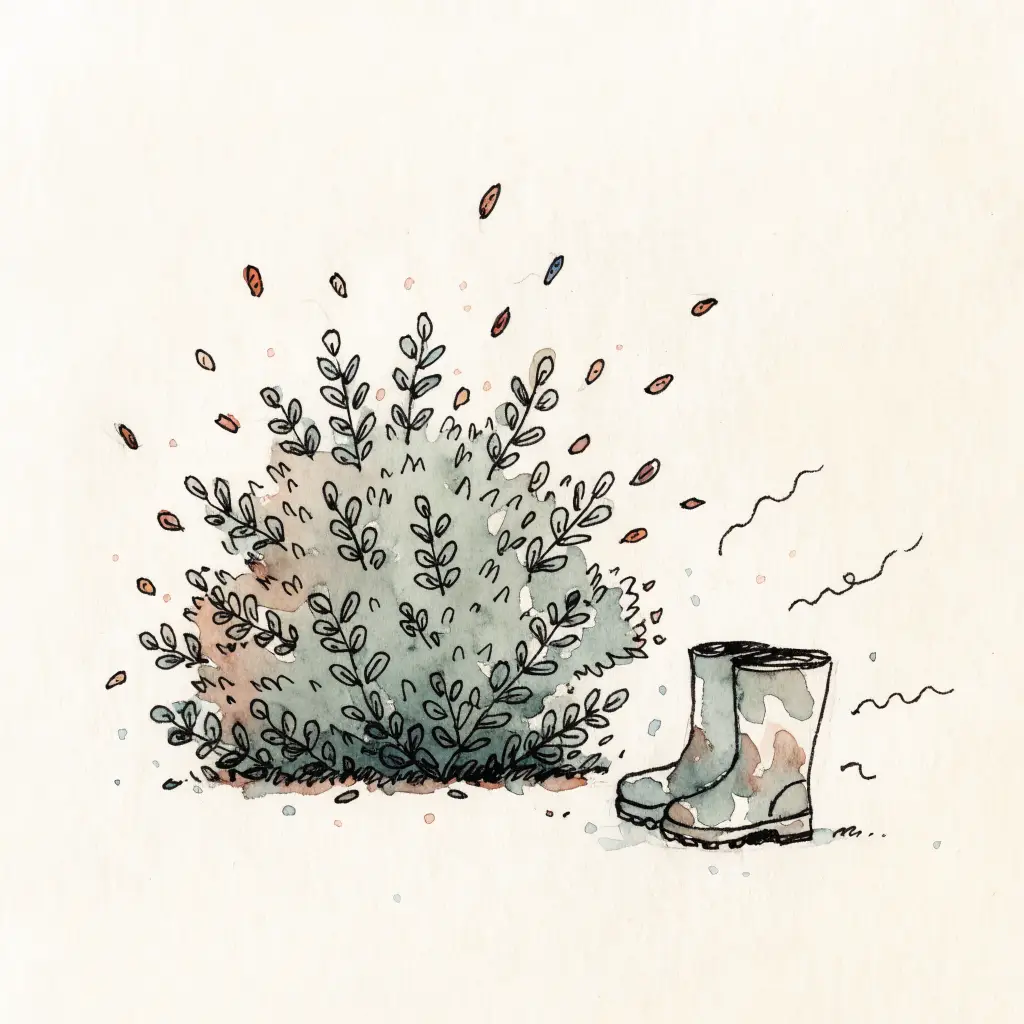
rustleRUSS-ul
the soft whispery sound of things brushing togetherLeaves rustled in the evening wind.Paper, leaves and long skirts all rustle.Read what the helper says
Rustle is that soft papery sound — leaves in wind, a chip packet, pages turning. Quiet, dry, whispery.
Your turn — read it out loud!
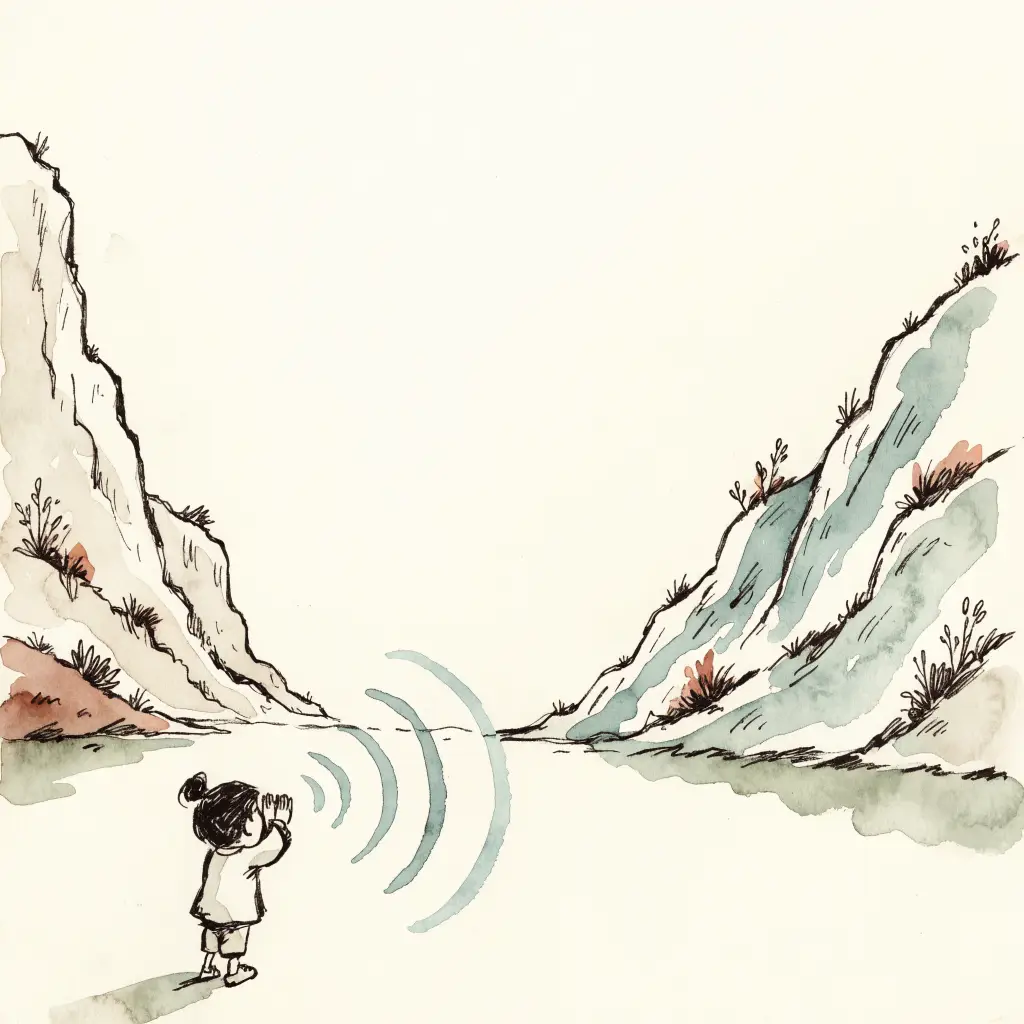
echoEK-oh
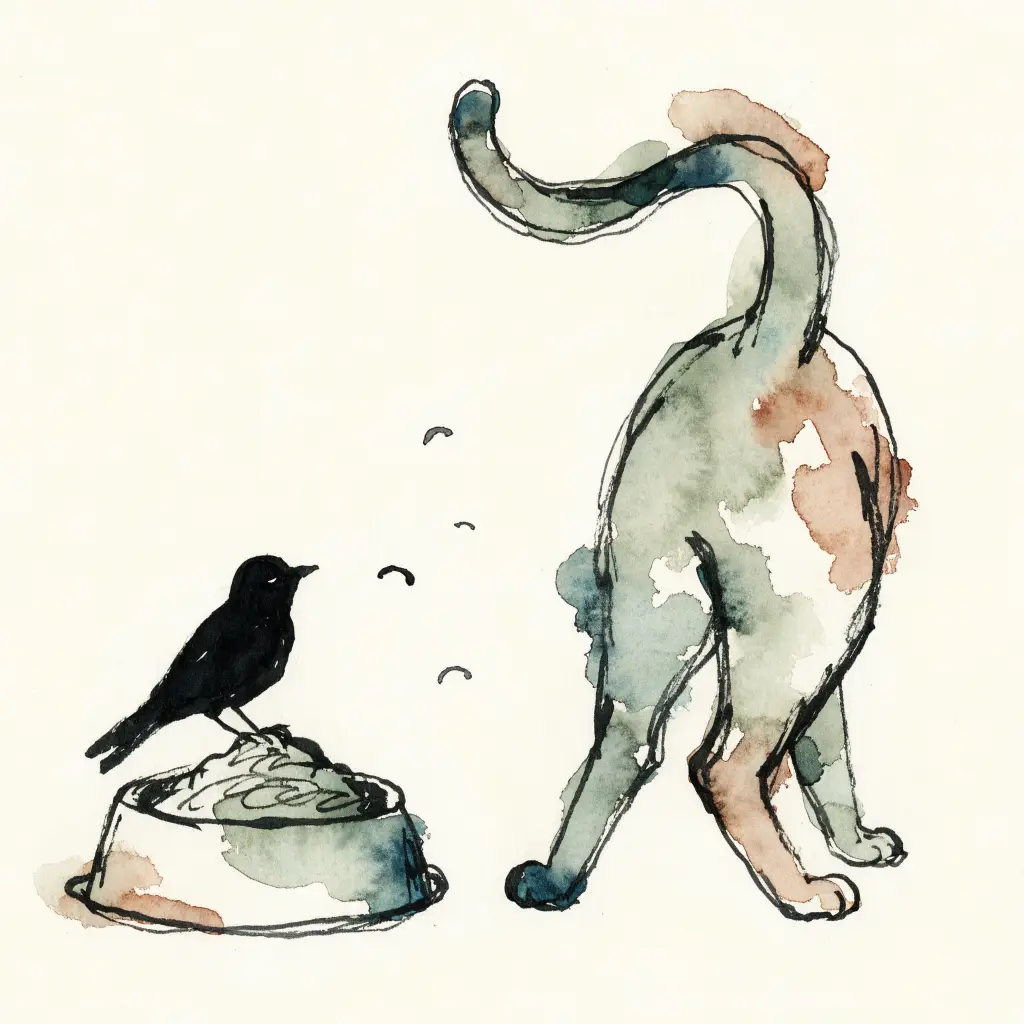
a sound that bounces back and repeatsTheir shout echoed across the empty valley.Echoes love caves, halls and mountains.Read what the helper says
An echo is a sound that hits something far away and bounces back to you, a little late and a little softer. Shout in a cave and it answers.
Your turn — read it out loud!
💭
Feelings your face shows
A face gives feelings away before any words do. These words name exactly what it is showing.
astoundeduh-STOWN-did
so surprised you can hardly speakShe was astounded that he had never seen snow.Stronger than surprised — closer to amazed.Read what the helper says
Astounded means so surprised your mouth falls open. Not just surprised — knocked-over-with-amazement surprised.
Your turn — read it out loud!
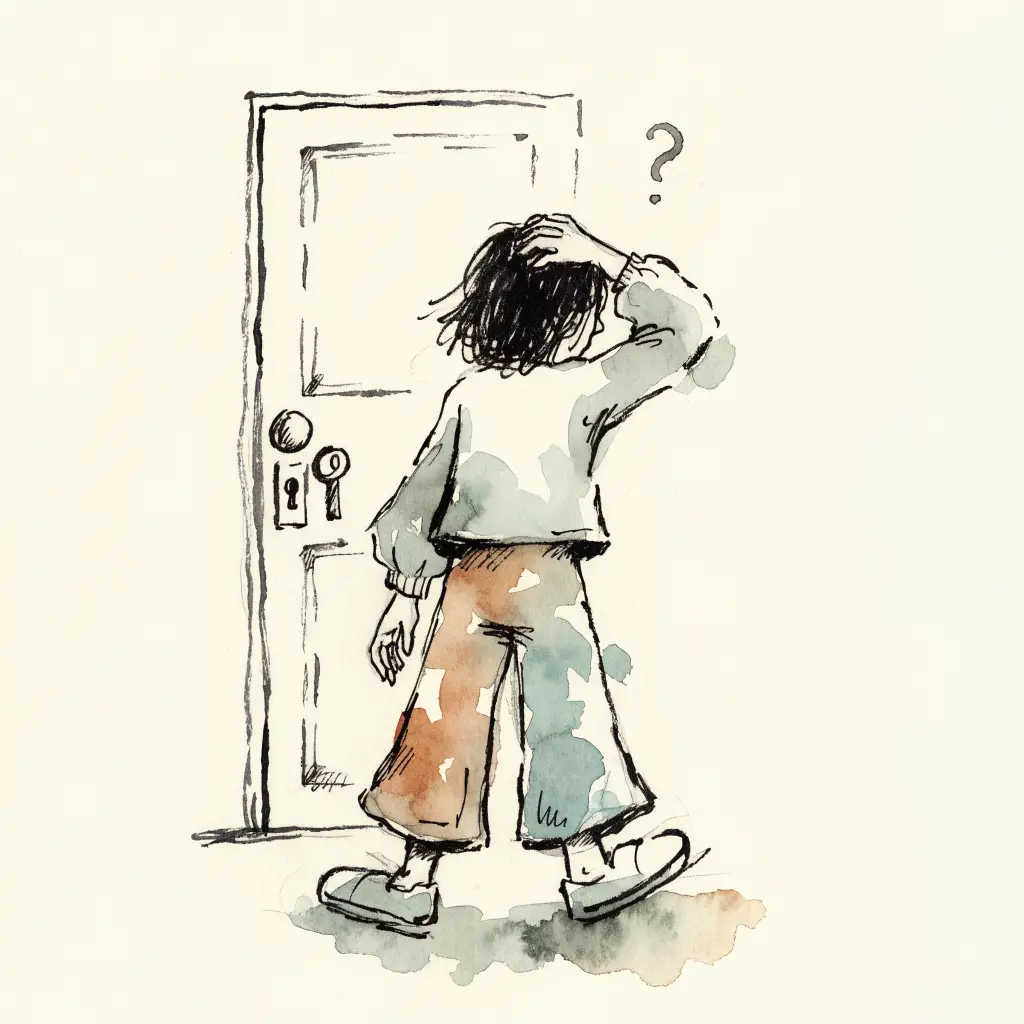
puzzledPUZZ-uld
confused, trying to work something outMum looked puzzled by the strange phone call.A puzzled face has wrinkled eyebrows.Read what the helper says
Puzzled means confused — like a puzzle piece that won't fit. Your eyebrows squeeze together while your brain hunts for the answer.
Your turn — read it out loud!
glareGLAIR
stare at someone with an angry faceShe glared at the boy who took her seat.A glare says 'I'm cross' without one word.Read what the helper says
A glare is an angry stare. No words needed — the eyes do all the talking, and what they say is not friendly.
Your turn — read it out loud!
gaspGASP
take a sudden sharp breath from surprise or shockThe class gasped when the lights went out.You can hear a gasp — a quick 'huh!' of air.Read what the helper says
A gasp is that sudden sharp breath — 'huh!' — when something shocks you. Your body does it before you can think.
Your turn — read it out loud!
blushBLUSH
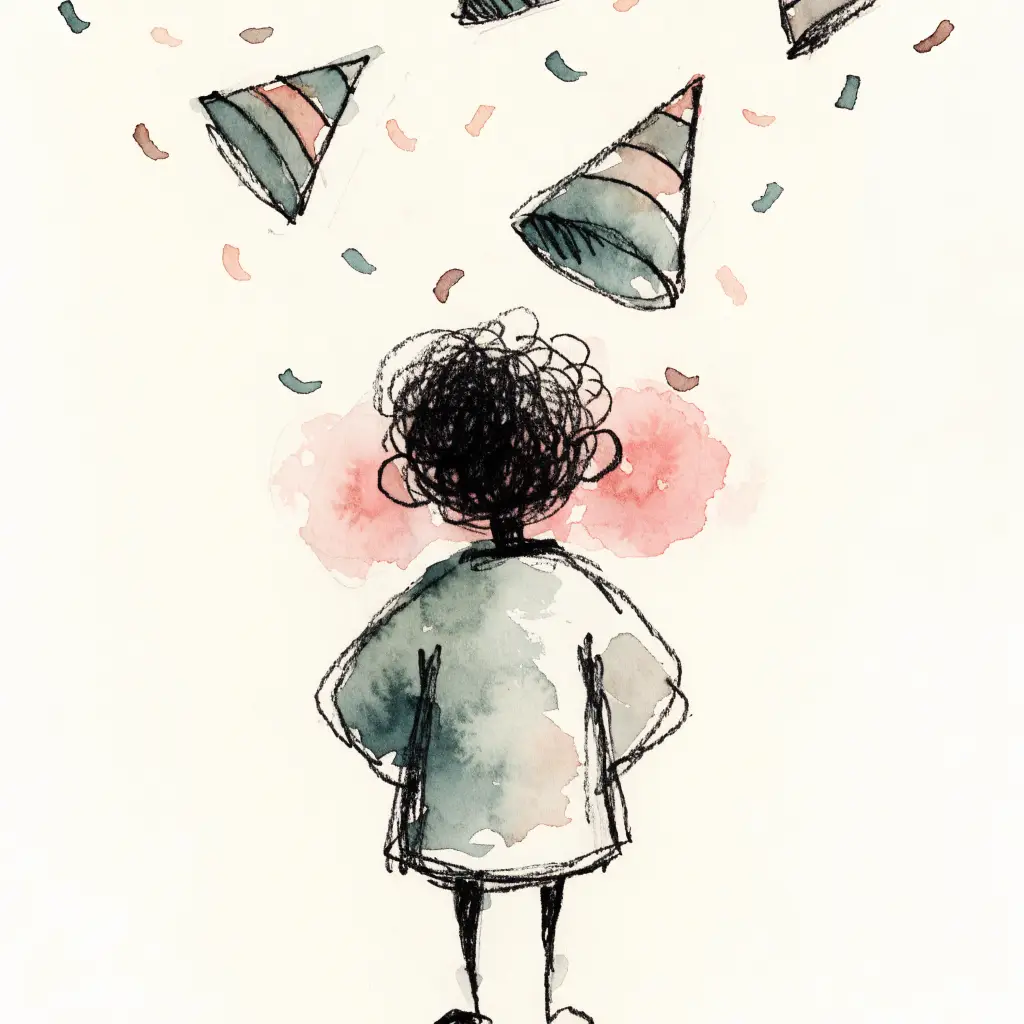
when your cheeks turn red from embarrassmentHe blushed when everyone sang to him.Cheeks go warm and pink all by themselves.Read what the helper says
Blushing is when your cheeks turn pink and warm without asking you first — usually when you're embarrassed or shy.
Your turn — read it out loud!
shrugSHRUG
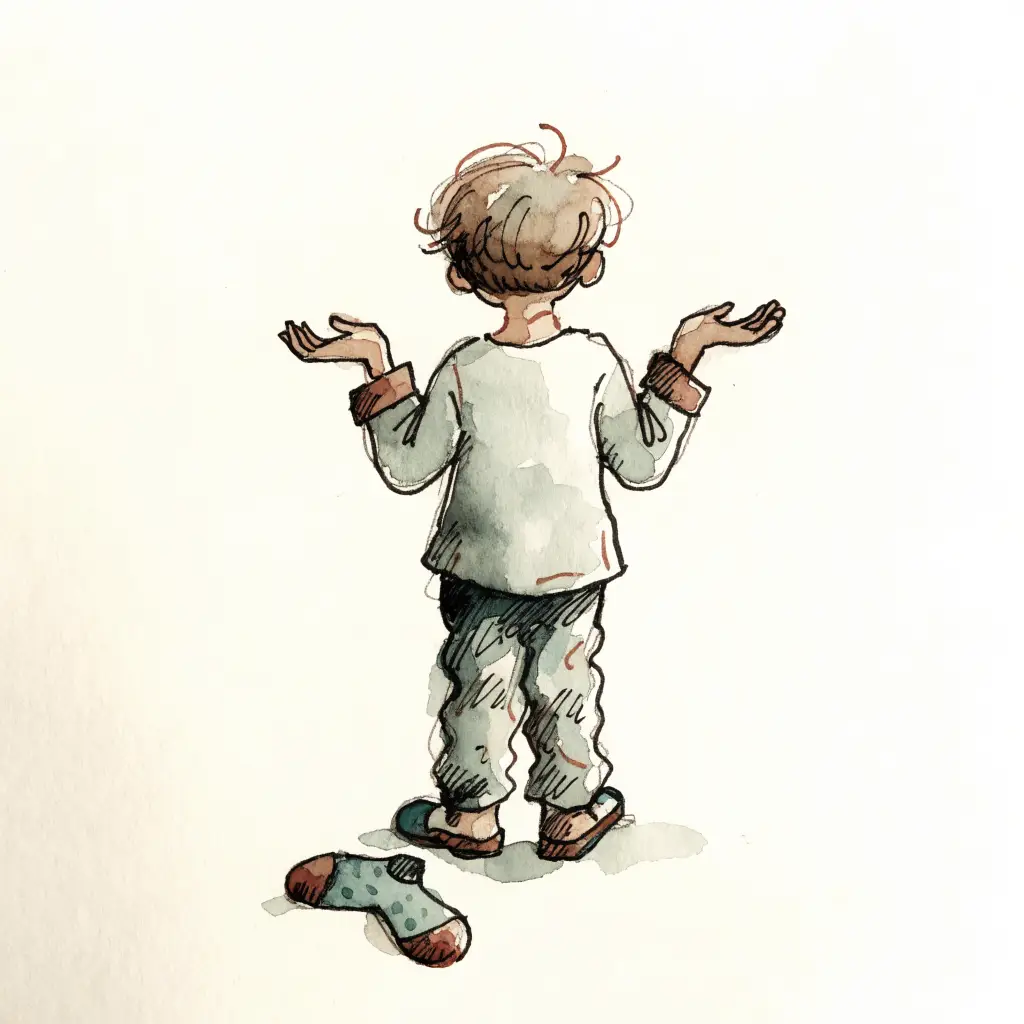
lift your shoulders to say 'I don't know' or 'I don't mind''Where's your bag?' He just shrugged.A shrug is a whole sentence made of shoulders.Read what the helper says
A shrug is lifting both shoulders up and down. It means 'don't know' or 'don't care' — a whole answer without a single word.
Your turn — read it out loud!
📏
How big, how much
Not everything big is 'big' the same way, and not everything small is 'small' the same way. These words say how much, exactly.
enormousee-NOR-muss
extremely bigAn enormous wave rolled toward the beach.Bigger than big, bigger than huge.Read what the helper says
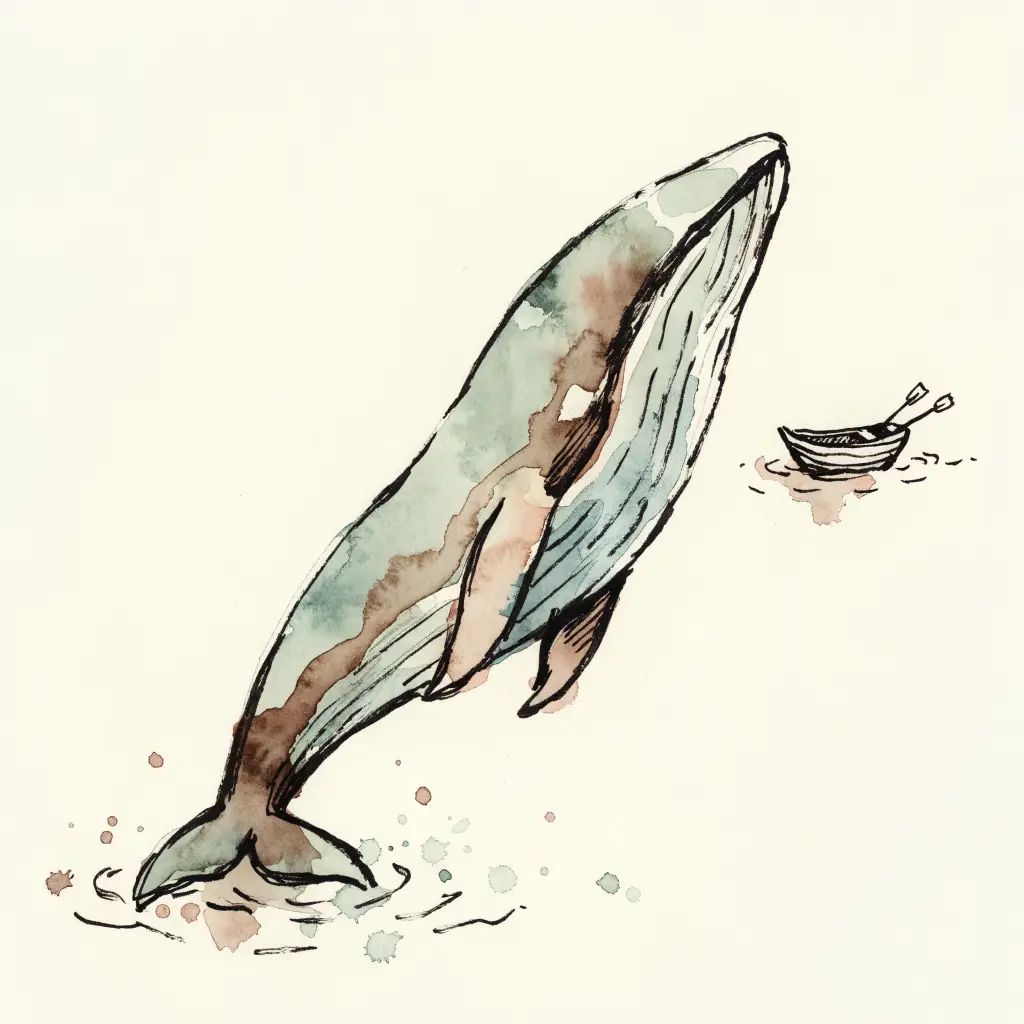
Enormous means really, truly gigantic. A whale is enormous. So is the number of stars in the sky.
Your turn — read it out loud!
substantialsub-STAN-shul
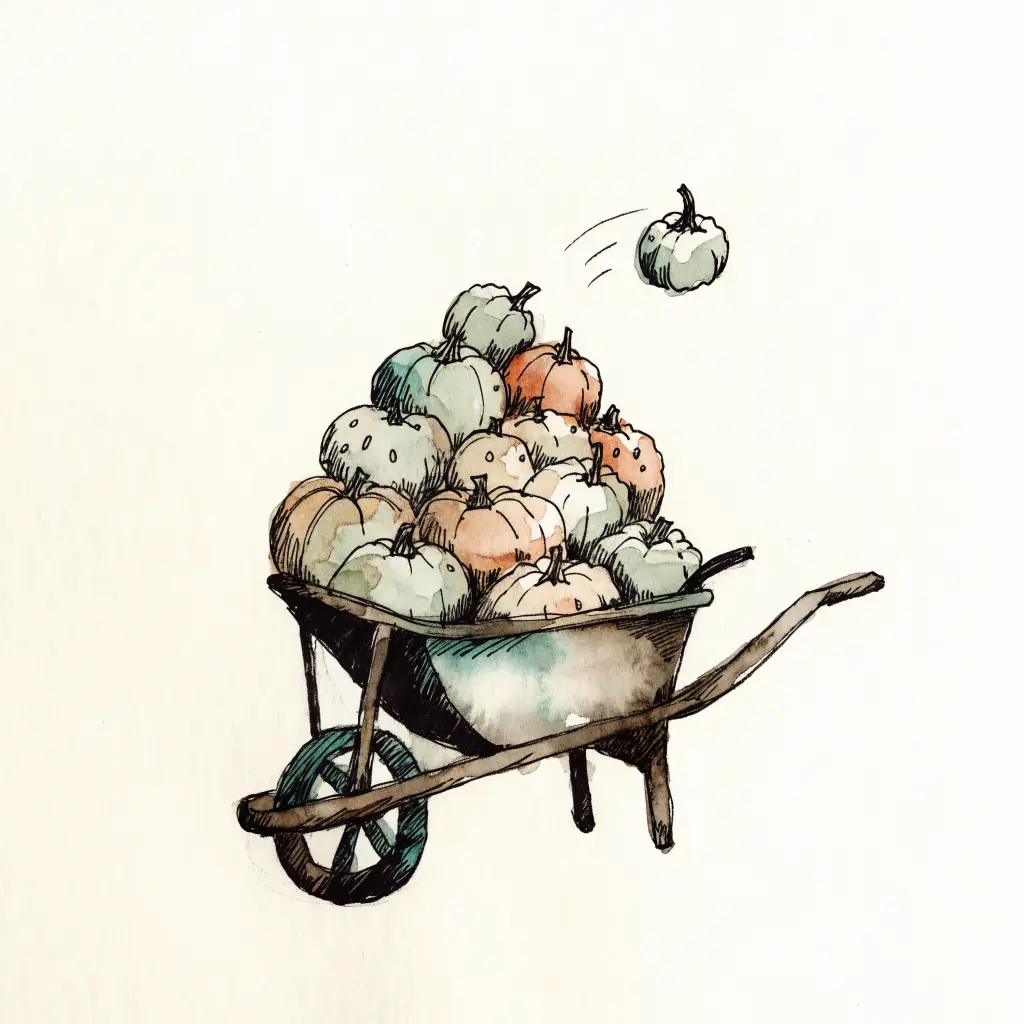
large in amount — a lotA substantial part of the garden is pumpkins.Substantial = enough to really matter.Read what the helper says
Substantial means a big, serious amount — not a little bit. If a substantial part of your room is Lego, that's a LOT of Lego.
Your turn — read it out loud!
miniatureMIN-uh-cher
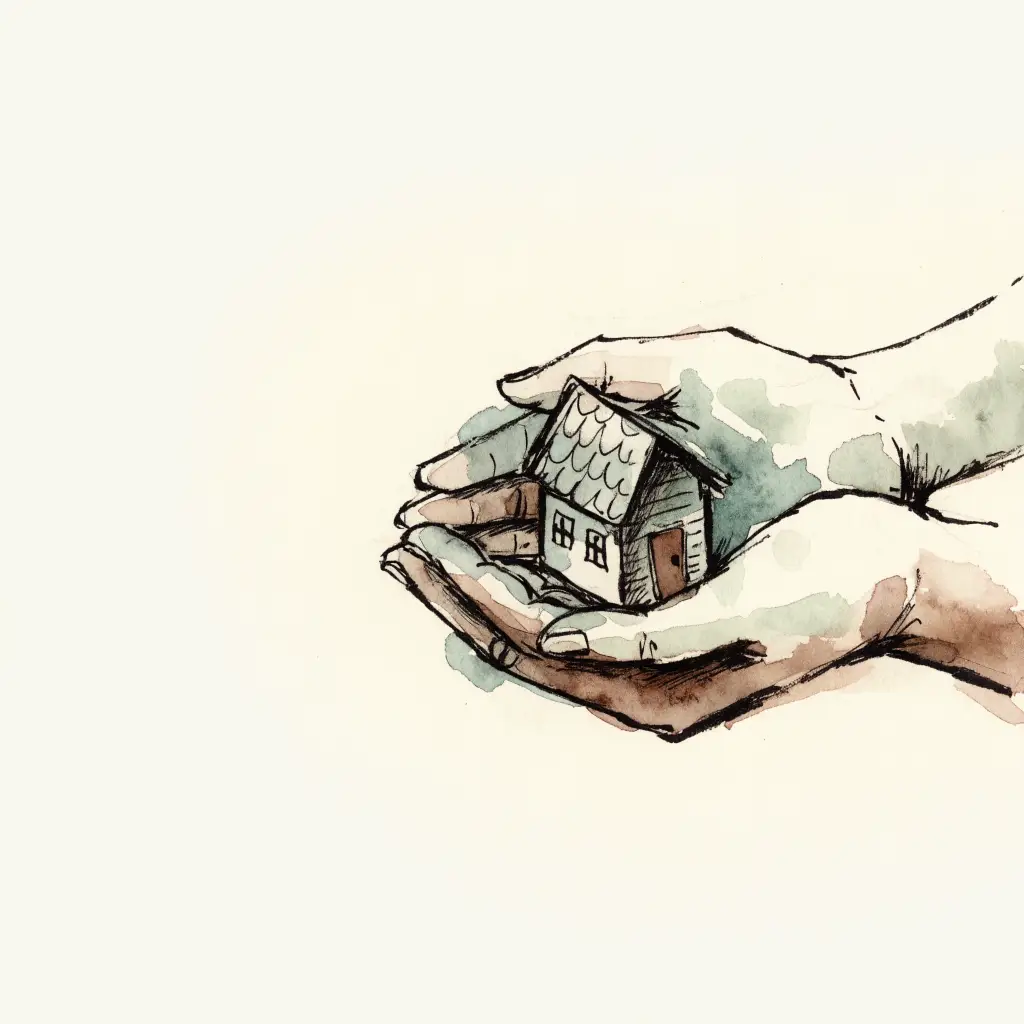
a very small copy of something biggerShe built a miniature house for her figurines.Everything tiny but complete — like dollhouses.Read what the helper says
Miniature means a tiny version of a real thing — a little house, a little train. Everything is there, just shrunk.
Your turn — read it out loud!
fractionFRAK-shun
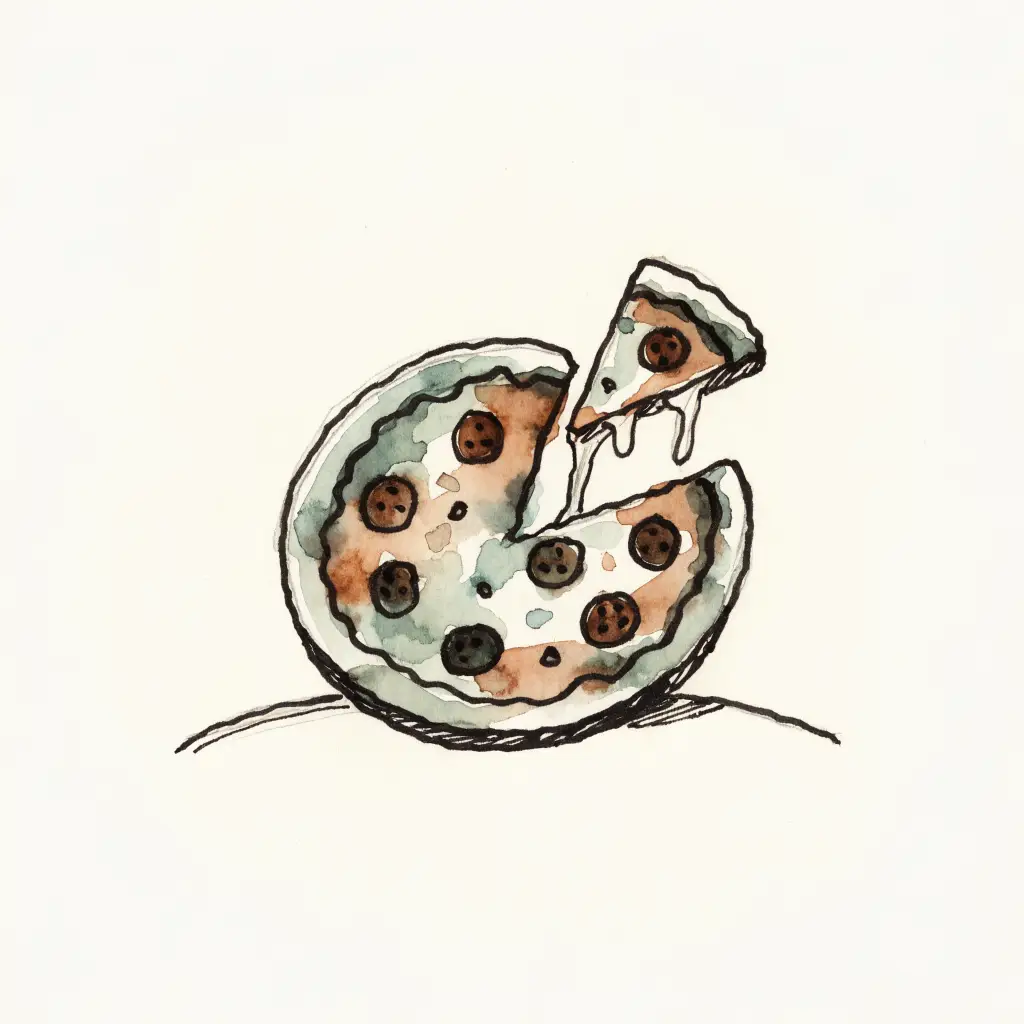
a small part of something wholeOnly a fraction of the class had been to a cave.One slice of the whole pizza.Read what the helper says
A fraction is just a part — one slice of the pizza, not the whole thing. 'Only a fraction' means only a few.
Your turn — read it out loud!
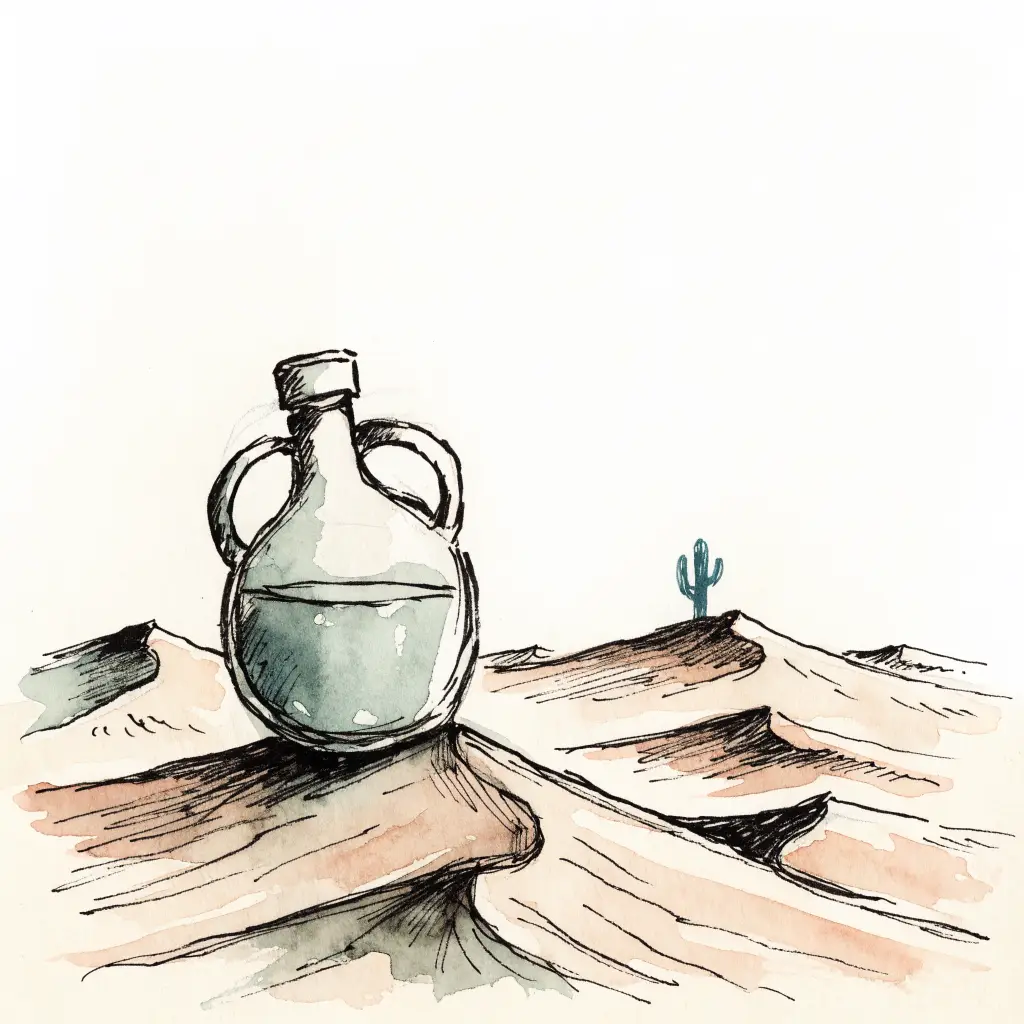
scarceSKAIRSS
hard to find because there is so little of itWater is scarce in the desert.Scarce things become precious things.Read what the helper says
Scarce means there's very little of it around. When something is scarce — like water in a desert — everyone wants it and it becomes precious.
Your turn — read it out loud!
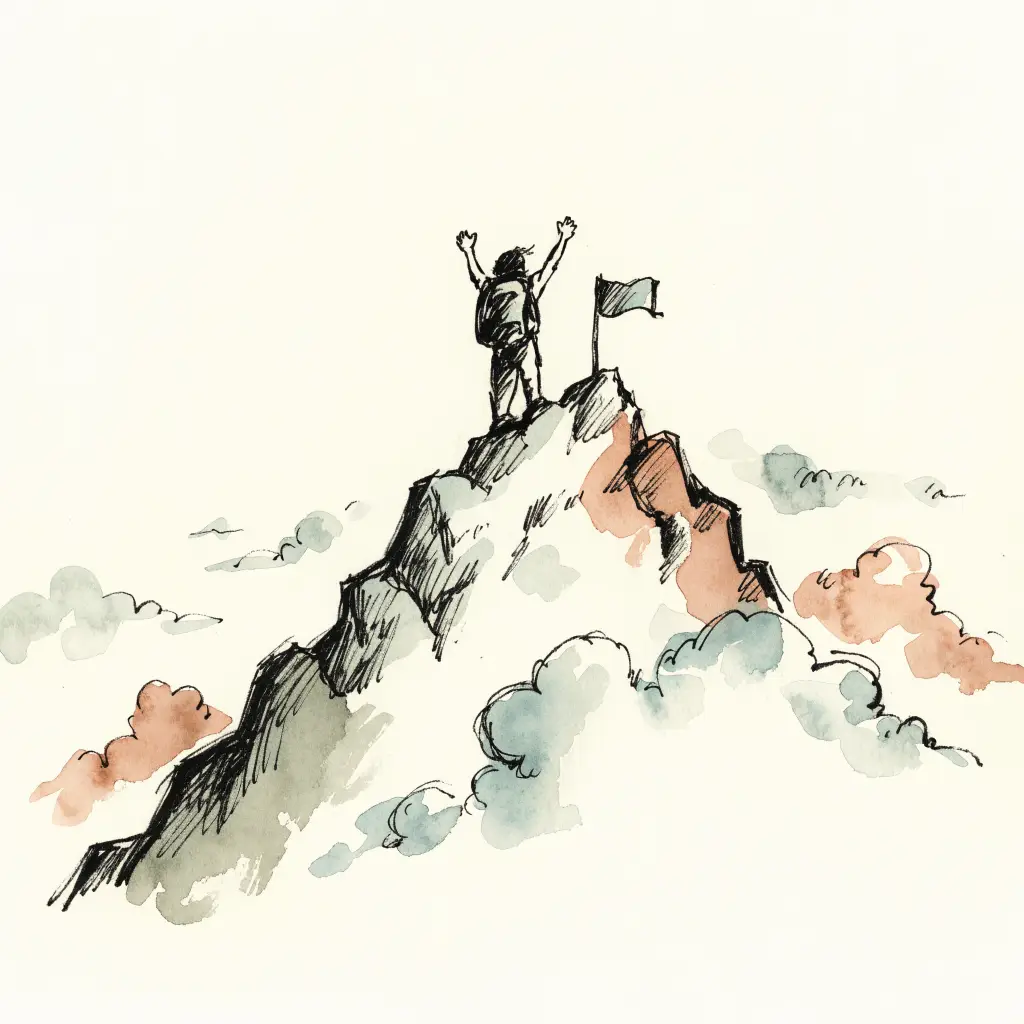
ultimateUL-tim-ut
the greatest or final one — the topClimbing that peak is the ultimate challenge.The ultimate = nothing bigger after it.Read what the helper says
Ultimate means the very top one — the greatest, the final level. The ultimate challenge is the biggest challenge there is.
Your turn — read it out loud!
🕵️
Watching closely
Some watching is careful. Some is only a glance, or nothing at all. These words say which.
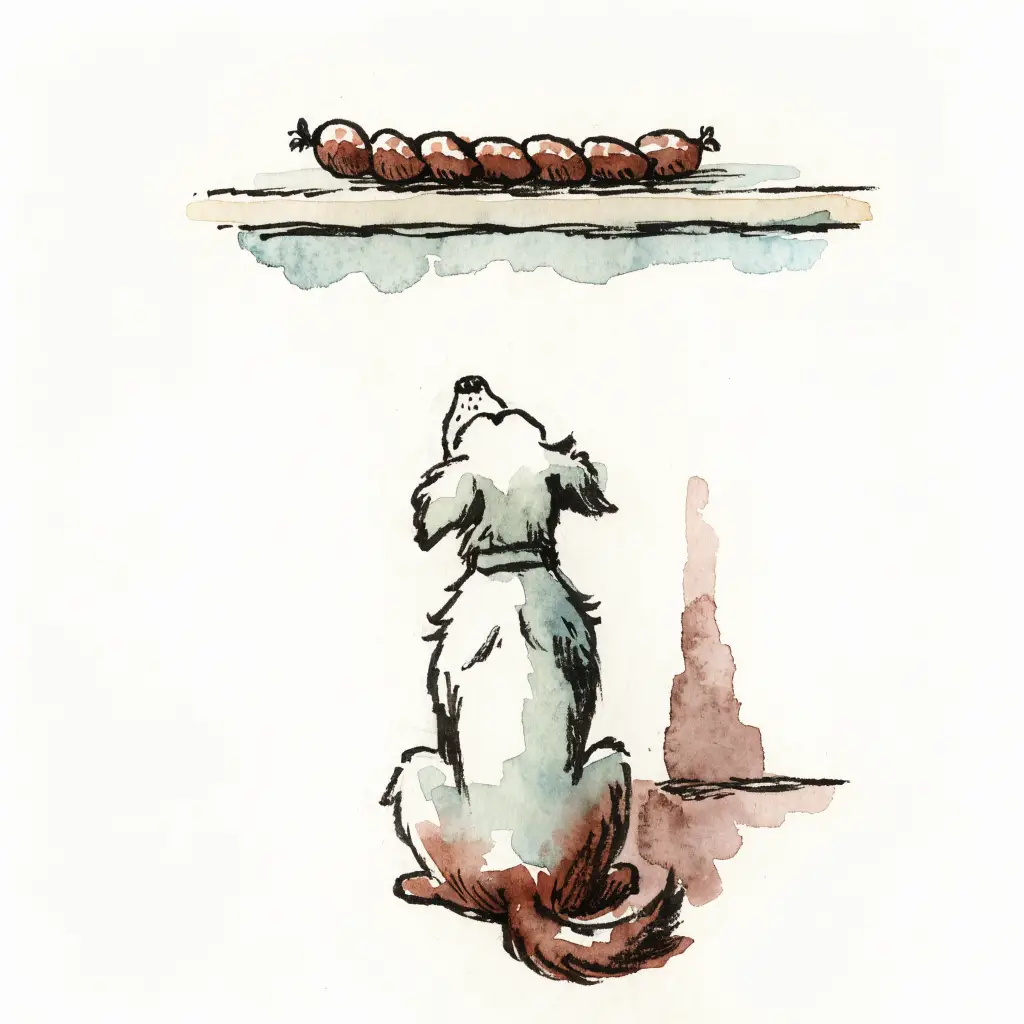
gazeGAYZ
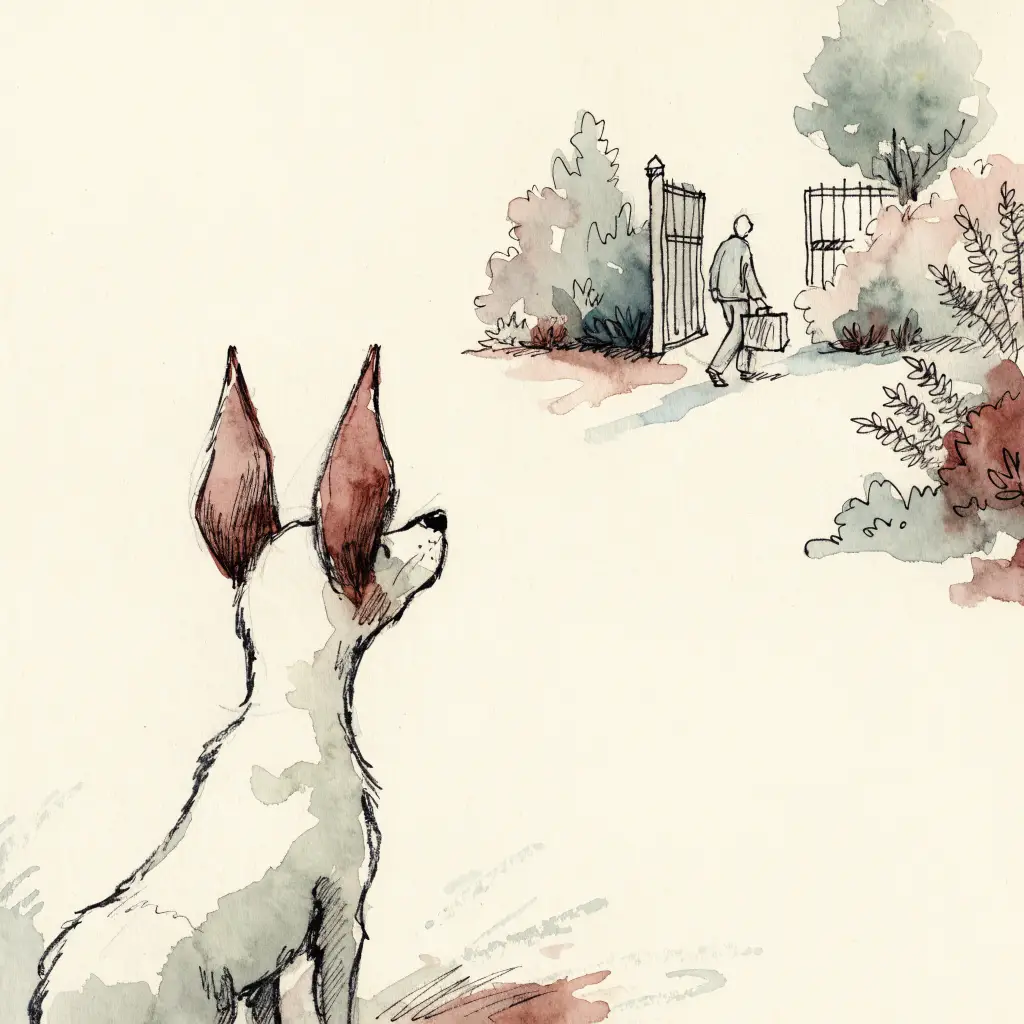
look at something steadily for a long timeThe dogs gazed at the empty food bowl.A gaze is longer and softer than a look.Read what the helper says
To gaze is to look at something for a long, steady time — like a dog watching your sandwich, hoping.
Your turn — read it out loud!
intentlyin-TENT-lee
with full attention, not missing anythingShe watched the magician intently.Intently = your whole mind is watching.Read what the helper says
Intently means with every bit of your attention. When you watch intently, you don't blink much — you don't want to miss a thing.
Your turn — read it out loud!
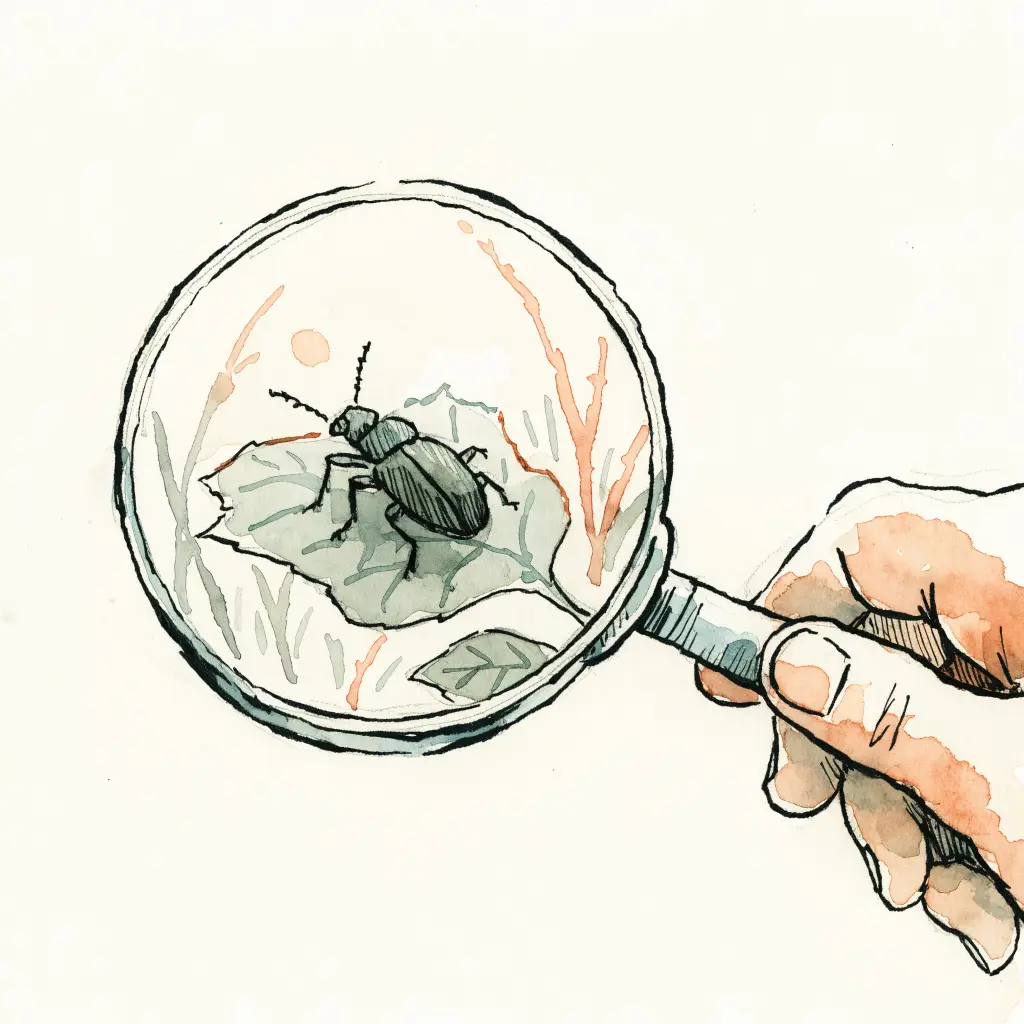
inspectin-SPEKT
look at something very carefully to check itHe inspected the hole under the fence.Inspectors inspect — that's the job.Read what the helper says
Inspect means to look at something slowly and carefully, checking every part — like a detective at a muddy footprint.
Your turn — read it out loud!
recogniseREK-ug-nize
know something because you have seen it beforeI didn't recognise the voice on the phone.Recognising = memory saying 'I know that!'Read what the helper says
Recognise means your memory lights up: 'I know that face! I know that song!' If you don't recognise it, it's a stranger to you.
Your turn — read it out loud!
blendBLEND
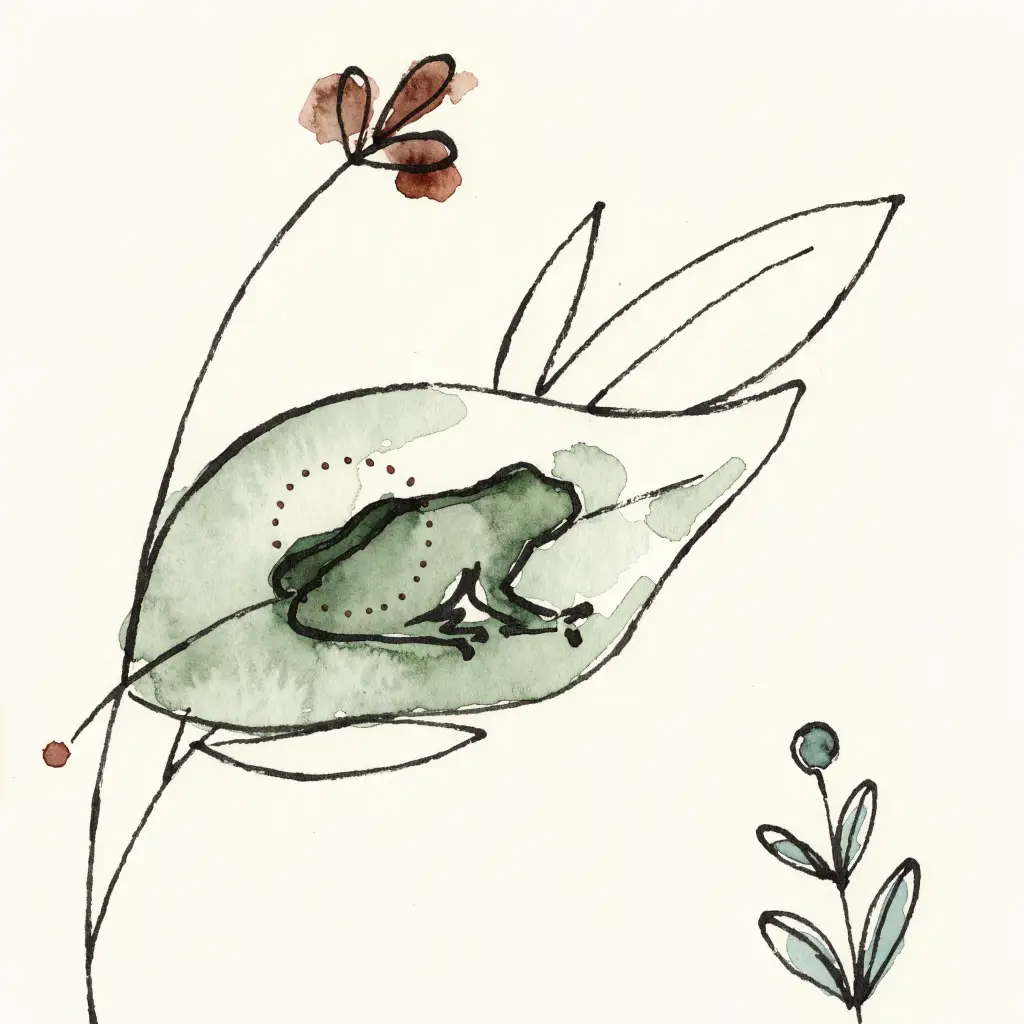
mix in so well it is hard to see apartThe tent blended into the dark garden.Camouflage is blending on purpose.Read what the helper says
Blend means mixing in so smoothly you can hardly tell things apart — like a green frog on a green leaf.
Your turn — read it out loud!
vanishVAN-ish
disappear suddenly and completelyThe five dogs had simply vanished.One moment there, next moment — gone.Read what the helper says
Vanish means to disappear completely, often suddenly. A magician's rabbit vanishes. So do biscuits, mysteriously.
Your turn — read it out loud!
🙂
The way people are
The way someone acts says something 'happy' or 'sad' cannot — is she willing, or only pretending?
willingWILL-ing
happy and ready to do somethingShe was willing to feed the dogs every day.Willing hearts say yes before hands do.Read what the helper says
Willing means ready to say yes — you'll do it, and you don't need to be pushed.
Your turn — read it out loud!
reluctantree-LUK-tunt
not wanting to do something, dragging your feetHe was reluctant to hand over the last biscuit.The opposite of willing.Read what the helper says
Reluctant means you'll do it, but you really don't want to — slow feet, heavy sigh. The opposite of willing.
Your turn — read it out loud!
hostileHOSS-tile
unfriendly, like an enemyThe cat gave the new puppy a hostile look.Hostile is more than grumpy — it's against you.Read what the helper says
Hostile means properly unfriendly — not just grumpy, but treating someone like an enemy.
Your turn — read it out loud!
insincerein-sin-SEER
not meaning what you say or showHer big smile looked insincere.A mask-smile is an insincere smile.Read what the helper says
Insincere means faking it — saying or smiling things you don't really mean. A real smile reaches the eyes; an insincere one doesn't.
Your turn — read it out loud!
grudginglyGRUJ-ing-lee
doing something even though you don't want to admit itHe grudgingly admitted the puzzle was clever.Praise through gritted teeth.Read what the helper says
Grudgingly means doing or saying something while wishing you didn't have to — like admitting your sister was right, through gritted teeth.
Your turn — read it out loud!
admiread-MIRE
think someone or something is really impressiveI had to admire how cleverly the dogs escaped.You can admire even things that annoy you.Read what the helper says
Admire means looking at something and thinking 'wow, that's really good.' You can even admire something that caused you trouble — clever is clever.
Your turn — read it out loud!
🚧
Serious matters
Some things are only unwanted. Others are dangerous. These words keep the two apart.
discarddis-KARD
throw something awayMillions of toys are discarded every year.Discarded things once mattered to someone.Read what the helper says
Discard means to throw away — to decide something isn't wanted anymore and let it go.
Your turn — read it out loud!
toxicTOK-sik
poisonous — able to make living things sickSome old paints contain toxic chemicals.Toxic warnings mean: do not touch or eat.Read what the helper says
Toxic means poisonous. Toxic things can make people, animals or rivers sick — that's why they get warning labels.
Your turn — read it out loud!
hazardHAZ-erd
a danger — something that could hurt someoneSmall parts are a choking hazard for babies.Hazard signs point at hidden dangers.Read what the helper says
A hazard is a danger waiting to happen — a wet floor, small parts near a baby. Hazard signs say: careful, this could hurt.
Your turn — read it out loud!
remedyREM-uh-dee
a way to fix a problem or make something betterGiving toys away is one remedy for waste.A remedy heals problems, not just people.Read what the helper says
A remedy is a fix — a way to make a problem better. Medicine is a remedy for sickness; sharing is a remedy for waste.
Your turn — read it out loud!
bleakBLEEK
without hope; empty, cold and greyThe outlook was bleak but not impossible.Bleak weather, bleak news — both feel grey.Read what the helper says
Bleak means grey and hopeless-feeling — a cold empty beach in winter, or news with no good side. But bleak is not the same as impossible.
Your turn — read it out loud!
alarminguh-LAR-ming
worrying — making people feel something is wrongThe amount of rubbish was alarming.Alarming facts ring alarm bells in your head.Read what the helper says
Alarming means worrying enough to ring a little alarm bell in your head — it tells you something needs attention, now.
Your turn — read it out loud!
Three games
Same thirty-six words, three different jobs: match the picture, fill the gap, and pick what you heard.
🎯 Match up
Tap a picture, then its word. Clear all four pairs.
✏️ Fill the gap
One word is missing. Only one of the four fits.
👂 Listen and pick
Tap the speaker, then choose the picture you heard.
Now try the questions
Twenty-four questions. Tap an answer and find out straight away — and why the wrong ones looked right.
0 of 24 answered0 right
1
The floor creaks, so he had to ___ past the baby's room.
Stuck?
💡A creaky floor and a sleeping baby — how must he move?
1Cross out the loud, fast ways of moving.
B. You tiptoe — walk silently on your toes — when sound would wake someone. Galloping is the loudest possible choice.Moving and sounding
2
Mia's little brother solved the 500-piece puzzle alone. Mia was ___.
Stuck?
💡Is this feeling about surprise, or about not wanting something?
1Which word means amazed beyond words?
C. Astounded is jaw-dropping surprise — exactly what a 500-piece solo puzzle earns. The others are about attitude, not surprise.Feelings your face shows
3
Next to the ant, the watermelon looked absolutely ___.
Stuck?
💡From an ant's point of view, what does a watermelon look like?
1Two of these words are not about size at all.
B. To a tiny ant, a watermelon is enormous — extremely big. Miniature is the exact opposite, and scarce and bleak aren't about size.How big, how much
4
The dog sat by the table and ___ at the sausages for ten whole minutes.
Stuck?
💡Ten minutes of steady hopeful looking — which word is that?
1Which word means a long, steady look?
A. Gazing is long, steady, hopeful looking — classic dog-at-sausage behaviour. A glare is angry, a gasp is a breath.Watching closely
5
'Who wants to help wash the dog?' — 'Me!' said Ari at once. Ari was ___.
Stuck?
💡He said 'Me!' straight away — eager or dragging his feet?
1One of these words is not even an adjective that fits the gap.
C. Answering 'Me!' at once is being willing — happy and ready. Reluctant is the opposite, and grudgingly doesn't fit the sentence.The way people are
6
Toys with tiny loose parts can be a choking ___ for babies.
Stuck?
💡Is this something dangerous, or something helpful?
1Cross out the word that means a FIX for problems.
B. A hazard is a danger waiting to happen — tiny parts near a baby is exactly that. A remedy is the opposite: a fix.Serious matters
7
Which of these would really rustle?
Stuck?
💡You're listening for a soft, dry, papery sound.
1Which one is dry and light enough to whisper?
C. Dry leaves brushing together make that soft papery rustle. Stone is silent, water sloshes, and wool is too soft to rustle.Moving and sounding
8
The key that always worked would not open the door. Dad frowned and turned it over in his hand. He was ___.
Stuck?
💡He's not shocked — he's trying to WORK OUT what's wrong.
1Which word goes with a frown and a question in your head?
B. Puzzled is confused-and-thinking — turning the key over, hunting for the reason. Astounded would be open-mouthed shock, which this isn't.Feelings your face shows
9
After the storm, dry firewood was ___ — every family was hunting for it.
Stuck?
💡Everyone wants it and there's almost none — which word is that?
1The sentence says everyone was HUNTING for it. Why would they?
D. Scarce means so little of it exists that people hunt for it. Substantial would mean there was plenty — the opposite problem.How big, how much
10
Before buying the bike, Grandpa ___ every part — brakes, chain, tyres.
Stuck?
💡Checking part by part, carefully — which looking-word is that?
1One of these words isn't about looking at all.
A. Inspecting is careful, part-by-part checking — exactly what you do before buying a bike. Gazing is dreamy looking with no checking.Watching closely
11
Which sentence uses the word correctly?
Stuck?
💡The word means thinking 'wow, that's impressive.'
1Which sentence has something impressive in it?
A. You admire something impressive — like perfect origami. The other sentences use it like throwing, sleeping or dressing, which it never means.The way people are
12
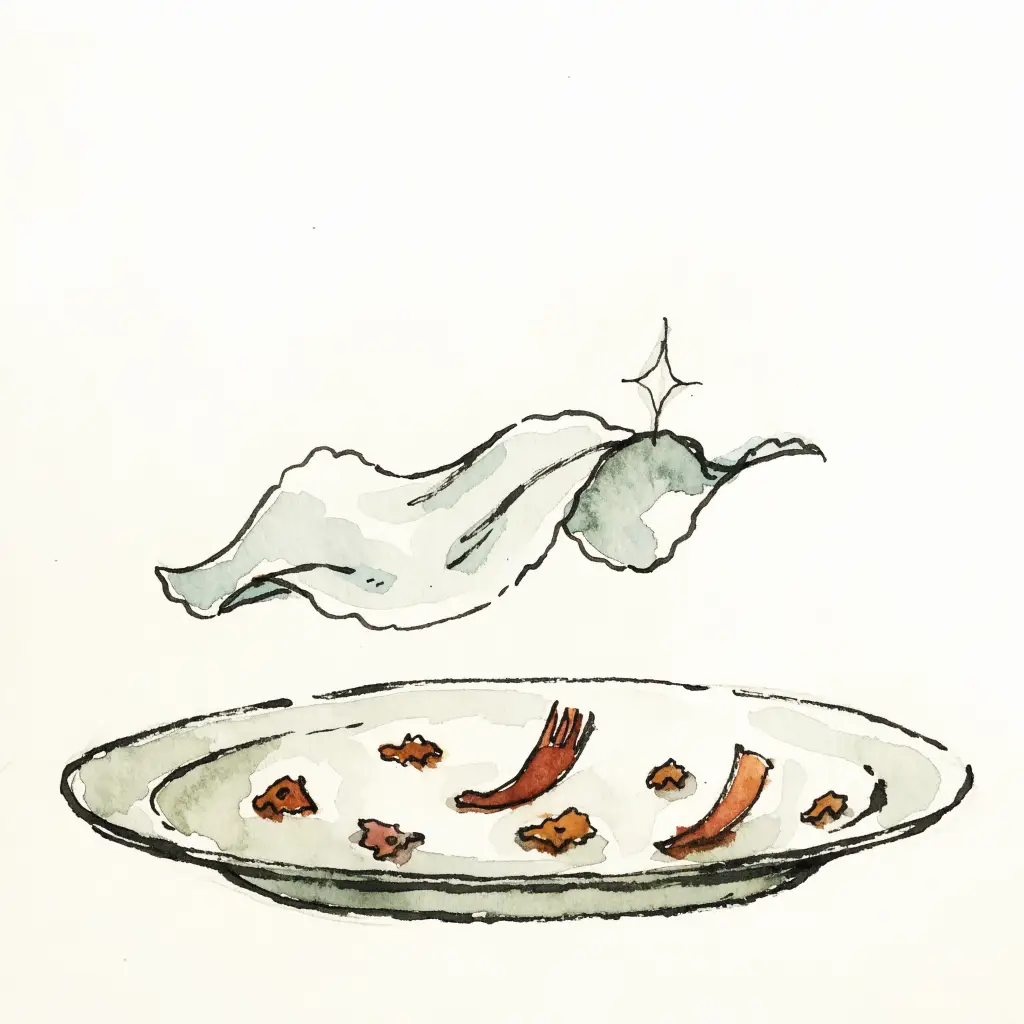
One moment the biscuits were on the plate. Then Dad walked past, and they had ___.
Stuck?
💡One moment there, next moment gone — completely.
1Which word means disappeared?
C. Vanished means completely disappeared — the great biscuit mystery. Blended would mean they were still there, just hard to spot.Watching closely
13
Which sentence uses the word correctly?
Stuck?
💡The word is a quiet, careful way of WALKING.
1Who in these sentences is trying to stay silent?
D. You tiptoe to stay silent — perfect for leaving a sleeping puppy. Soup, trucks and goals have nothing to tiptoe with.Moving and sounding
14
Which sentence shows someone astounded?
Stuck?
💡This feeling makes your mouth fall open.
1Which sentence has something unbelievable happening?
A. An open mouth at a cage-opening hamster — that's astounded. Calm reading, yawning and nodding are the quietest feelings there are.Feelings your face shows
15
Which of these is really enormous?
Stuck?
💡You're hunting for the truly gigantic one.
1Three of these fit in your hand. One doesn't fit in a swimming pool.
D. A container ship is enormous — longer than a street. The other three all fit in one hand.How big, how much
16
Which sentence uses the word correctly?
Stuck?
💡The word is a way of LOOKING — long and steady.
1Who in these sentences is looking at something?
D. Gazing is long quiet looking — perfect for glow-worm lights. You can't gaze a ball, a dinner or a door; those need throwing, eating and slamming.Watching closely
17
The coach asked who would play goalie. Nobody moved — except Zoe, whose hand shot straight up. Zoe was ___.
Stuck?
💡Her hand shot up FIRST — what does that show?
1Which word means ready and happy to do it?
B. A hand that shoots straight up is willingness in action. Nothing about Zoe is unfriendly, confused or amazed.The way people are
18
Which of these is a hazard on a school stairway?
Stuck?
💡A hazard is something that could HURT someone.
1Three of these make stairs SAFER. One does the opposite.
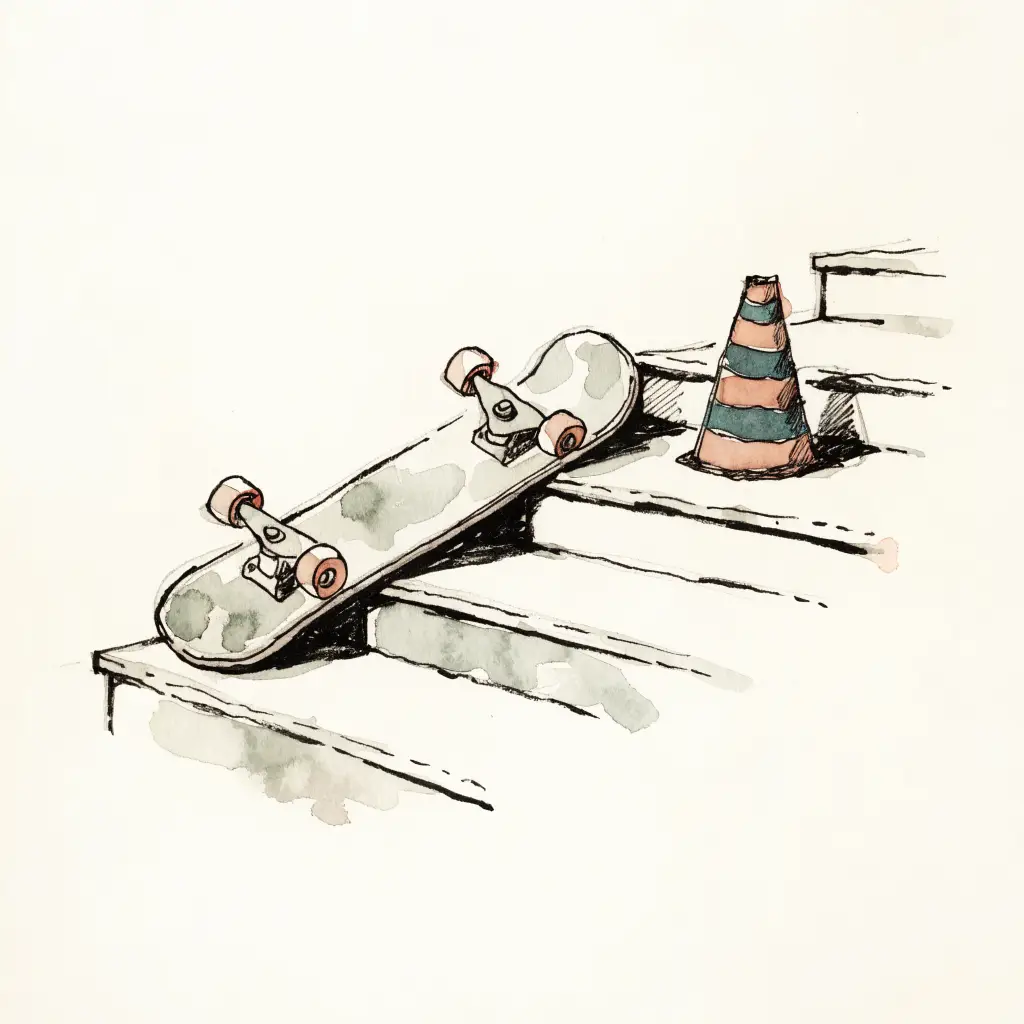
C. A skateboard on the steps is an accident waiting to happen — a hazard. Handrails, lights and non-slip mats are there to prevent accidents.Serious matters
19
Which sentence uses the word correctly?
Stuck?
💡The word is a SOFT, dry, papery sound.
1Cross out the loud and wet sounds.
B. A soft sound in dry bushes — that's a rustle, and it's why everyone went still. Thunder booms, pianos scrape, pools splash.Moving and sounding
20
Which sentence shows someone puzzled?
Stuck?
💡This feeling means stuck on something that makes no sense.
1Who is stuck trying to understand something?
D. Reading a note three times with a frown is being puzzled. Cheering, racing and humming are all sure of themselves.Feelings your face shows
21
In which place would fresh water be most scarce?
Stuck?
💡Scarce means hardly any of it exists there.
1Where does it almost never rain?
D. Deserts get almost no rain, so fresh water is scarce there. Rainforests, lakesides and snowy mountains all have water to spare.How big, how much
22
Which sentence uses the word correctly?
Stuck?
💡The word means checking something CAREFULLY, part by part.
1Who is checking something bit by bit?
C. A vet checking one toe at a time is inspecting. The other sentences are really eating, flying and falling asleep.Watching closely
23
The dogs dug a clever tunnel and escaped. Even while fixing the fence, Dad kept saying 'clever girls'. Dad felt ___ despite the trouble.
Stuck?
💡He's cross about the fence but impressed by the digging.
1Which word means being impressed?
A. Saying 'clever girls' while fixing their mess is admiration — being impressed even when it's inconvenient. He isn't their enemy, isn't panicking, isn't bored.The way people are
24
Which sentence uses the word correctly?
Stuck?
💡The word means to DISAPPEAR — you can't vanish something else somewhere.
1Which sentence has something disappearing from sight?
A. The sun disappearing behind clouds — vanished. The word never means putting, heating or opening things.Watching closely
Try the whole set first. There is no time limit — getting it right matters more than getting it fast.
Show the answers
Talk it through
Stuck on a word or a question? Say it out loud instead — your helper knows every
word and every question here, and will not tell you the answer.
Say a word, or a question number. Or try: “teach me question 7” — the helper will pretend to be wrong. Convince them! Uses the microphone. Nothing is recorded.